
The hidden costs of buying cheap land can turn an affordable rural property into a much larger financial commitment. A $50,000 parcel might offer 20 acres of forest, mountain views, or enough space for an off-grid cabin. However, the purchase price rarely tells the full story.
Unlike a finished home, undeveloped land may require new roads, water systems, septic installation, electricity connections, surveys, and permits before it can support your plans.
In some cases, these additional expenses can approach or even exceed the original purchase price. As a result, buyers who focus only on the advertised price may underestimate their total budget.
The real cost of cheap land isn’t simply what you pay to own it. It’s what you must spend to make it usable.
This guide examines seven frequently overlooked expenses, explains how to investigate them, and provides a practical budgeting example for rural land buyers in the United States.
1. Land Surveys and Boundary Verification
One of the first hidden expenses involves determining exactly where a property begins and ends.
Online real estate listings often display approximate parcel outlines. Similarly, county GIS systems may show property boundaries. However, those digital lines should not be treated as legally surveyed boundaries.
This distinction becomes especially important when purchasing wooded acreage where boundary markers are difficult to locate.
Why a Land Survey Matters
A professional boundary survey can help identify property corners, encroachments, and inconsistencies between physical features and recorded property descriptions.
Survey costs depend on several factors:
- Parcel acreage and shape
- Terrain and vegetation
- Availability of previous surveys
- Accessibility of boundary markers
- Complexity of the legal description
- Local surveyor availability
For example, a large rectangular field may be easier to survey than a smaller, irregularly shaped mountain parcel.
How to Avoid Unexpected Survey Costs
Before closing, ask whether a recent professional survey exists.
Next, review the legal description with your title company or real estate attorney. If boundaries remain uncertain, request a quote from a licensed local surveyor.
Buyer takeaway: Never assume that an online property map is accurate enough for construction, fencing, or resolving a boundary dispute.
2. Legal Road Access and Driveway Construction
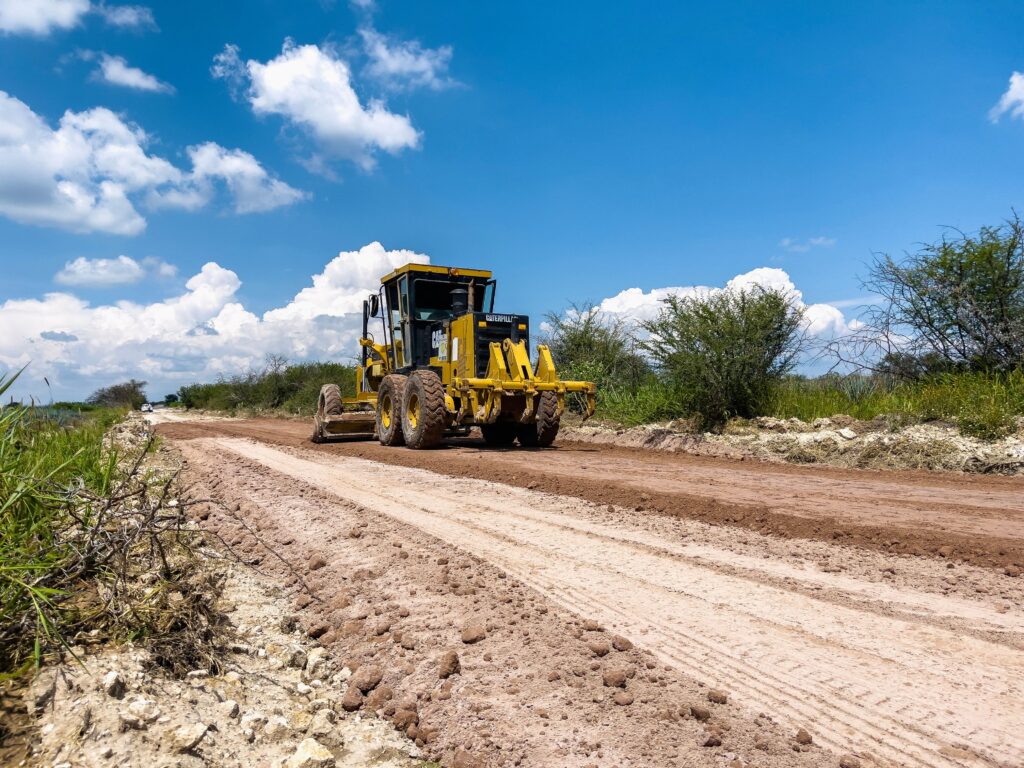
Road access is another major expense that buyers sometimes overlook.
A rural parcel can look accessible on satellite imagery while being difficult—or legally impossible—to reach.
Importantly, there are two separate issues to investigate.
Legal access means having an enforceable right to reach the property from a public road.
Physical access means having a route that vehicles can actually use.
A dirt track crossing neighboring land does not automatically provide legal access. Furthermore, even when a recorded easement exists, the buyer may still face road construction and maintenance expenses.
What Makes Rural Road Access Expensive?
Potential expenses include:
- Clearing trees and vegetation
- Grading uneven terrain
- Installing gravel
- Constructing drainage ditches
- Adding culverts
- Crossing streams where legally permitted
- Maintaining a shared private road
For example, a steep driveway may require erosion-control measures or extensive engineering.
Remote locations can also increase contractor transportation and equipment-mobilization expenses.
How to Verify Road Access
Start by requesting recorded easements, road maintenance agreements, surveys, and relevant title documents.
Then contact the county or appropriate road authority to determine whether the connecting road is publicly maintained.
Finally, visit the property and investigate seasonal conditions.
A road that works well during summer may become difficult to use after heavy rain or winter snow.
Buyer takeaway: A parcel with an existing legal entrance and usable driveway may be more practical than cheaper land requiring major access improvements.
3. Well Drilling and Water Supply
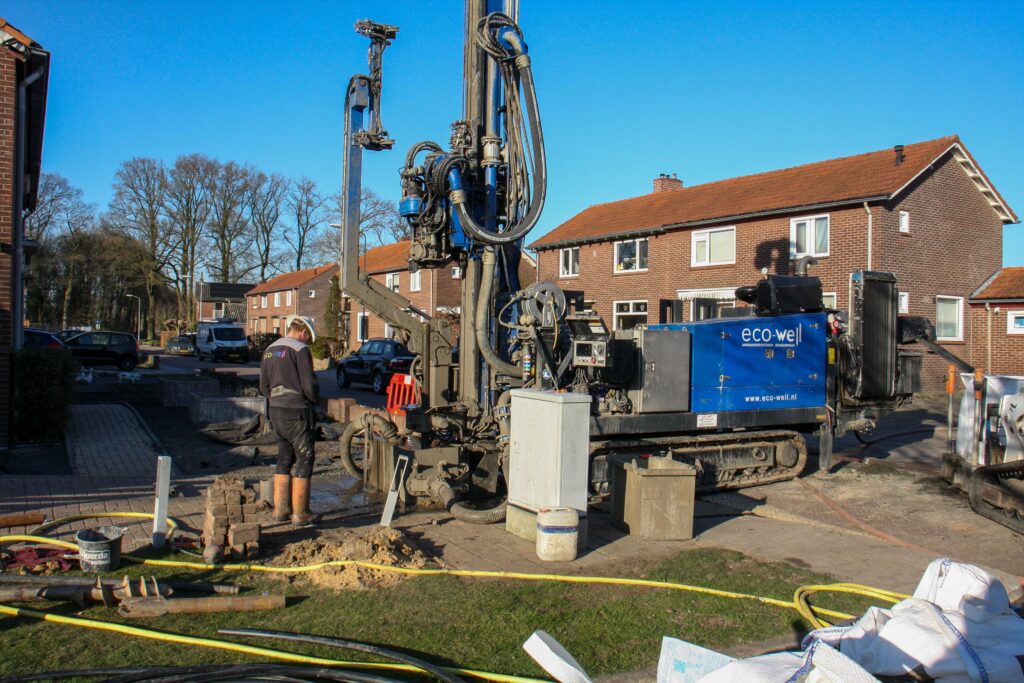
Water availability can significantly affect the total cost of rural land ownership.
If public water service is unavailable, a private well may be necessary. However, drilling a well does not guarantee that it will produce enough usable water for a household.
Therefore, buyers should investigate both water availability and the expenses associated with obtaining it.
What Affects Well Installation Costs?
Possible expenses include:
- Well drilling and casing
- Pump installation
- Pressure tank and controls
- Electrical connections
- Water quality testing
- Water treatment equipment
- Trenching and plumbing
Well depth is an important consideration. However, local geology, drilling conditions, and contractor availability can also affect the final price.
Even if neighboring properties have productive wells, similar results are not guaranteed on your parcel.
Water Features Do Not Guarantee Water Rights
A creek, pond, or natural spring can make rural land more attractive.
Nevertheless, the presence of surface water does not automatically give the owner unrestricted rights to use it.
Water rights and well-permitting requirements vary by state, particularly in parts of the western United States.
What Buyers Should Verify
Before purchasing, contact the relevant state water agency or local well-permitting authority.
Review nearby well records and ask licensed local contractors about drilling feasibility.
Additionally, investigate any water rights or restrictions that may affect your intended use.
Buyer takeaway: Confirm a realistic and legally permitted water solution before assuming that vacant land can support a permanent residence.
4. Septic System Installation and Wastewater Requirements
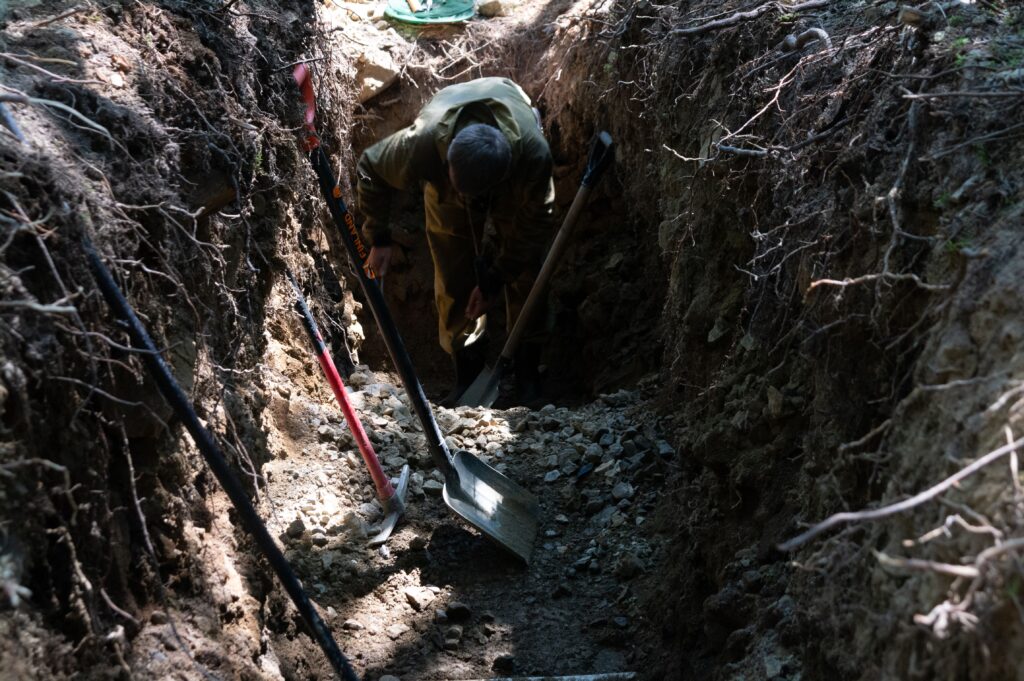
Septic installation is one of the hidden costs of buying cheap land that deserves careful investigation.
Many rural properties are located outside municipal sewer service areas. Consequently, buyers planning to build a home or cabin may need an approved onsite wastewater system.
However, not every parcel can support a conventional septic system.
Soil conditions, drainage, groundwater levels, slope, and local regulations can all affect wastewater treatment options.
Potential Septic Installation Expenses
- Soil evaluation or percolation testing, where required
- Site assessment
- Septic system design
- Local permits
- Excavation
- Septic tank installation
- Drainfield construction
- Alternative treatment systems, if necessary
In some cases, a property that cannot support a conventional system may require a more complex solution, if one is permitted.
The U.S. Environmental Protection Agency provides guidance for homebuyers on septic inspections, maintenance, and potential system issues.
The Most Important Septic Question
Before making an offer, ask:
Has this parcel been evaluated or approved for the wastewater system required by my intended use?
A listing described as “ready to build” should not be accepted as proof of septic approval.
Instead, contact the local environmental health or permitting authority and obtain the required parcel-specific evaluation.
Buyer takeaway: Septic feasibility should be investigated before committing to land intended for residential construction.
5. Electricity Connections and Off-Grid Power
Electricity is another expense that can change the economics of a rural property purchase.
A parcel may appear close to power lines without having an affordable or approved connection.
For example, the nearest line may not have sufficient capacity, or the utility may require additional infrastructure.
Common Grid Connection Expenses
Depending on the location, buyers may need to pay for:
- Utility engineering assessments
- New poles or underground lines
- Transformers or related equipment
- Trenching
- Meter installation
- Electrical service panels
- Permits and inspections
The electric utility determines its service requirements and applicable line-extension charges.
Therefore, buyers should request a written service-availability assessment rather than relying on the listing description.
Is Off-Grid Solar Automatically Cheaper?
Not necessarily.
An off-grid solar system may require panels, batteries, inverters, mounting equipment, electrical protection, and backup generation.
Furthermore, system requirements depend on how the property will be used.
A small weekend cabin may consume significantly less electricity than a full-time residence with heating, refrigeration, and other appliances.
Batteries and other equipment may also require replacement over time.
Before Choosing Grid or Off-Grid Power
Contact the local electric utility for a project-specific assessment.
Alternatively, if you are considering solar power, obtain a professionally designed proposal based on your expected electricity needs.
Buyer takeaway: Treat electricity availability as a verified cost question, not simply a marketing feature.
6. Permits, Soil Testing, and Site Preparation
Even when rural land has road access and utilities, construction may require substantial site preparation.
An apparently clear building area might contain unsuitable soil, drainage problems, underground rock, or grading restrictions.
As a result, buyers should evaluate development feasibility before purchasing.
Common Site Preparation Expenses
- Clearing vegetation
- Removing stumps
- Excavation and grading
- Erosion control
- Foundation-related soil investigations
- Drainage improvements
- Construction permits
- Driveway or land-disturbance permits
- Environmental assessments where applicable
The USDA Natural Resources Conservation Service provides the Web Soil Survey, which helps users investigate mapped soil characteristics and limitations.
However, this resource does not replace onsite testing or professional engineering assessments.
Why Local Regulations Matter
Building and land-use requirements vary by state, county, municipality, and sometimes subdivision.
Although some rural parcels have fewer restrictions than urban lots, construction is not automatically permitted.
Before buying, verify:
- Whether your intended structure is allowed
- Minimum setbacks and lot requirements
- Building permit requirements
- Driveway and access permits
- Soil and wastewater approval requirements
- Applicable environmental restrictions
Buyer takeaway: A property’s advertised acreage does not necessarily equal its usable or buildable acreage.
7. Closing Costs, Property Taxes, Insurance, and Ongoing Expenses
The final category of hidden costs involves expenses that arise during the purchase and continue after ownership transfers.
These costs can be easy to overlook because they are not always included in the advertised property price.
Closing Costs
Depending on the transaction, expenses may include:
- Title search and title insurance
- Settlement or attorney fees
- Recording fees
- Transfer taxes, where applicable
- Appraisal and lender fees
- Survey-related expenses
The Consumer Financial Protection Bureau provides resources explaining how buyers can review closing expenses and compare financing disclosures.
However, general mortgage closing-cost estimates should not be treated as universal estimates for vacant-land transactions.
Property Taxes
Property taxes can vary significantly by location, assessed value, land classification, and applicable exemptions.
Additionally, a seller’s previous tax bill may not accurately predict what a new owner will owe.
Contact the county assessor or tax authority to investigate the property’s classification and potential reassessment.
Insurance
Vacant-land liability coverage, construction insurance, and insurance for a completed residence are different products.
Availability and pricing may depend on location, access, wildfire exposure, flood risk, and intended use.
Therefore, buyers should consult an insurance professional about appropriate coverage.
Other Recurring Expenses
Rural property owners may also need to budget for:
- Private-road maintenance
- Vegetation management
- Fence repairs
- Drainage maintenance
- HOA or road association fees
- Loan interest
- Security and property inspections
Buyer takeaway: Estimate both initial acquisition costs and ongoing ownership expenses before deciding whether a property is affordable.
Hidden Costs of Buying Cheap Land: A $50,000 Example
To understand how additional expenses affect affordability, consider a hypothetical buyer who finds a 15-acre wooded parcel listed for $50,000.
The buyer wants to build a small permanent cabin.
Although the property has legal access, the driveway needs improvement. Public water and sewer are unavailable, and the electric utility has not yet connected service to the proposed building site.
The following example demonstrates how development expenses could increase the overall budget.
| Expense | Hypothetical Budget |
|---|---|
| Land purchase | $50,000 |
| Survey | $2,500 |
| Driveway improvements | $6,000 |
| Well and water equipment | $15,000 |
| Septic system | $12,000 |
| Electricity connection | $9,000 |
| Site preparation and permits | $5,500 |
| Closing and title expenses | $2,000 |
| Subtotal | $102,000 |
| 15% contingency on non-land expenses | $7,800 |
| Illustrative total | $109,800 |
Important: These amounts are fictional budgeting assumptions. They are not current national averages, contractor quotes, or estimates for a specific property.
The contingency is calculated on the $52,000 of expenses beyond the land purchase.
Furthermore, this example excludes the cabin itself, financing costs, property taxes after purchase, insurance, ongoing maintenance, and other potential expenses.
The lesson is not that every $50,000 parcel will cost $109,800.
Instead, it demonstrates why buyers should investigate infrastructure expenses before deciding whether a low asking price represents good value.
A Better Way to Compare Two Cheap Land Listings
Consider two hypothetical rural properties.
Property A: $35,000
- 20 acres
- No established driveway
- Unknown well feasibility
- No documented septic approval
- Electricity connection requires investigation
Property B: $55,000
- 12 acres
- Existing usable driveway
- Documented legal access
- Existing well with records available
- Electricity service available nearby
Property A offers more acreage at a lower purchase price.
However, Property B may require less work to become usable.
That does not automatically make Property B the better purchase. Its well condition, septic feasibility, title, and development costs still need verification.
Compare the Total Cost, Not Just the Price Per Acre
A more practical comparison includes:
Purchase price + verified infrastructure expenses + required improvements + ongoing ownership costs + contingency.
For this reason, buyers should compare properties based on the total cost of achieving the same intended use.
A lower asking price does not necessarily mean lower overall ownership costs.
How to Reduce the Hidden Costs of Buying Cheap Land
Although development expenses cannot always be avoided, buyers can reduce uncertainty through careful research.
Get Written Contractor Estimates
Contact local well drillers, septic professionals, surveyors, excavation contractors, and utility providers.
Ask what information they need to prepare a meaningful estimate.
Verify Permits Before Construction
Check whether your intended home, cabin, or other structure is legally permitted.
In particular, do not rely on the word “unrestricted” in a property advertisement.
Prioritize Verified Infrastructure
A parcel with documented legal access, functioning utilities, and appropriate permits may be easier to evaluate than completely undeveloped land.
However, existing infrastructure should still be inspected.
Include a Contingency in Your Budget
Set aside money for unexpected expenses.
Nevertheless, a contingency percentage should not replace actual inspections, engineering assessments, or contractor estimates.
Use Appropriate Contract Contingencies
Where available and properly negotiated, due diligence provisions can provide time to investigate major concerns before completing a purchase.
Ask a qualified local professional to explain the relevant contract terms and deadlines.
Read Our Rural Land Buying Guide
If you’re new to purchasing undeveloped property, read our step-by-step guide to buying rural land in the USA before making an offer.
It explains how to investigate legal access, zoning, utilities, flood exposure, and other important factors.
Cheap Rural Land Buyer Checklist
Before purchasing rural land, use this checklist to investigate common financial and legal risks.
Legal and Ownership
- Verify the parcel identification and legal description.
- Review title and recorded easements.
- Confirm enforceable road access.
- Check zoning and recorded restrictions.
- Investigate mineral or other reserved rights where relevant.
Land and Infrastructure
- Obtain a survey or evaluate the need for one.
- Visit the property and inspect the access route.
- Investigate water availability and permits.
- Confirm septic feasibility.
- Request electricity service information.
- Review soil, slope, drainage, and flood exposure.
Budget and Closing
- Obtain local contractor estimates.
- Review permit and site preparation costs.
- Confirm closing and title expenses.
- Investigate future property taxes.
- Ask about appropriate insurance.
- Allow for unexpected expenses.
- Complete due diligence before contract deadlines.
Frequently Asked Questions
What are the biggest hidden costs of buying cheap land?
Major expenses may include road construction, well drilling, septic installation, electricity connections, surveys, permits, and site preparation. The most significant costs depend on the property’s location and physical conditions.
Is buying cheap rural land a good investment?
It depends on legal rights, usability, acquisition costs, development expenses, local demand, and the buyer’s goals. A low asking price alone does not establish investment value.
Can I buy rural land without electricity or water?
Yes, in many locations. However, your intended use may require an approved water source, wastewater system, or other infrastructure. Local requirements must be verified.
Is land with a creek worth more?
A creek can offer recreational and aesthetic benefits. However, it may also introduce flood, erosion, access, and water-rights concerns. Its effect on property value depends on the specific location and market.
Do I need a survey before buying vacant land?
A new survey is not mandatory in every transaction. Nevertheless, one may be required by a lender or title insurer or advisable when property boundaries are uncertain.
How much should I budget for unexpected rural land expenses?
There is no reliable universal percentage. Instead, obtain parcel-specific estimates and maintain a contingency appropriate to the remaining uncertainties.
Final Thoughts: Cheap Land Isn’t Always Affordable Land
Understanding the hidden costs of buying cheap land is essential for anyone considering a rural property in the United States.
Although an attractive listing price can make a parcel seem affordable, road access, water, wastewater systems, electricity, permits, surveys, taxes, and insurance can significantly change the overall budget.
Therefore, buyers should investigate what the property can legally support, identify necessary improvements, and obtain written estimates before committing to a purchase.
A smaller property with reliable access and verified infrastructure may be more useful than a larger parcel with unresolved development problems.
At EstatePath, our goal is to help readers look beyond listing prices and make more informed rural property decisions.
Official Research Resources
The following U.S. government resources can help buyers investigate land-related expenses and property conditions.
- U.S. Environmental Protection Agency — Septic Systems for Homebuyers: https://www.epa.gov/septic/new-homebuyers-brochure-and-guide-septic-systems
- USDA Natural Resources Conservation Service — Web Soil Survey: https://websoilsurvey.nrcs.usda.gov/
- Consumer Financial Protection Bureau — Loan Estimate Guide: https://www.consumerfinance.gov/owning-a-home/loan-estimate/
- Consumer Financial Protection Bureau — Closing Disclosure Guide: https://www.consumerfinance.gov/owning-a-home/closing-disclosure/
For actual property taxes, permits, access regulations, and building requirements, consult the relevant county and state authorities.
Disclaimer: This article is provided for general educational purposes only. It does not constitute legal, financial, engineering, tax, or professional real estate advice. The hypothetical budgets are illustrative and are not verified market-price estimates. Costs and regulations vary significantly by location and property. Consult qualified local professionals before purchasing or developing land.
