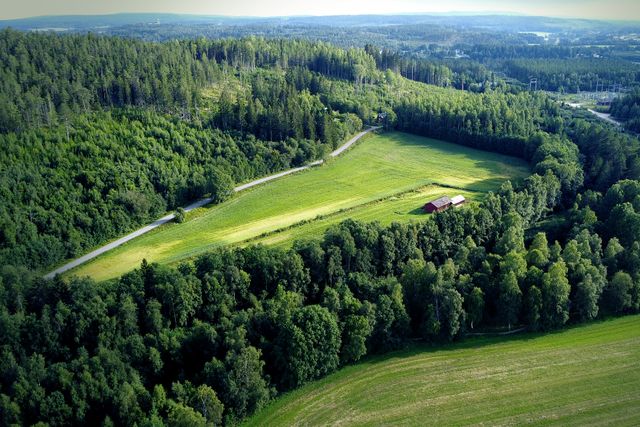
Can you build a house on cheap rural land? The answer depends on much more than the property’s price, acreage, or location.
A wooded 20-acre parcel might look perfect for a cabin or permanent home. However, the land could have zoning restrictions, limited road access, unsuitable soil, or expensive utility requirements.
Even a property advertised as “unrestricted” or “ready to build” may require permits and additional investigations before construction can begin.
Owning rural land does not automatically give you permission to build a house on it.
Before purchasing affordable acreage in the United States, investigate these nine factors to understand whether the property can realistically support your plans.
1. Check Zoning Before Buying Rural Land
Zoning determines how land may be used within a particular jurisdiction.
Depending on local regulations, a property may be designated for residential, agricultural, commercial, conservation, or other uses.
However, zoning classifications and permitted activities vary significantly between jurisdictions.
Why Zoning Matters
A parcel advertised as agricultural land may allow a single-family residence, require special approval, or prohibit certain residential uses.
Similarly, rules for tiny homes, manufactured homes, recreational vehicles, and short-term rentals may differ from those for conventional houses.
Therefore, buyers should never assume that a property is buildable simply because neighboring parcels contain homes.
How to Verify Zoning
Start by identifying the county and municipality responsible for land-use regulation.
Then contact the local planning or zoning department and provide the property’s parcel identification number.
Ask:
- What is the current zoning classification?
- Is a single-family residence permitted?
- Are cabins or manufactured homes allowed?
- Are special-use permits required?
- Are there restrictions on full-time occupancy?
- Are any zoning changes or development restrictions pending?
Buyer takeaway: Get parcel-specific zoning information from the responsible authority before relying on a real estate listing.
2. Confirm Legal Road Access
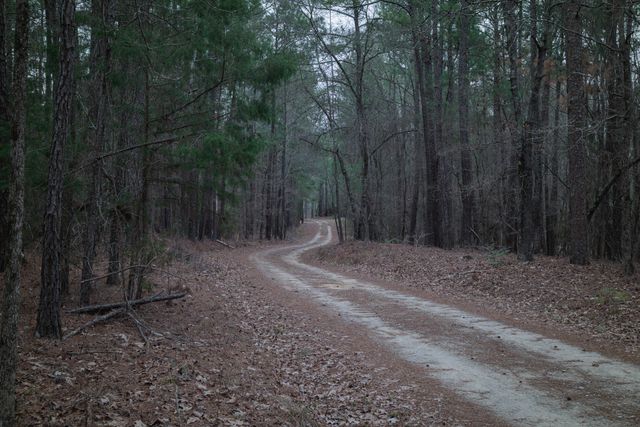
A property may be surrounded by beautiful forests and mountains but lack a legally enforceable route to a public road.
This is especially important for remote land reached through private roads or neighboring properties.
Legal Access vs. Physical Access
Legal access means having a recognized right to reach the property.
Physical access means that a usable road or driveway actually exists.
These are not always the same thing.
For example, a visible dirt track may cross privately owned land without a recorded easement.
Alternatively, a legal easement may exist even though the route has never been developed into a usable driveway.
What Buyers Should Investigate
Review the title documents, recorded easements, surveys, and any private-road maintenance agreements.
In addition, ask the county or relevant road authority whether the connecting road is publicly maintained.
Consider whether emergency vehicles, delivery trucks, and construction equipment can reach the proposed building site.
A road that is usable during summer may become inaccessible during winter or heavy rain.
Buyer takeaway: Verify both legal access and year-round physical access before planning residential construction.
3. Verify Minimum Lot Size and Building Setbacks
A large parcel does not necessarily provide unlimited freedom to choose where a house will be built.
Local regulations may establish minimum lot sizes, road frontage requirements, building setbacks, height limits, and other development standards.
What Are Building Setbacks?
A setback is the required distance between a structure and a property line, road, water feature, or another regulated area.
For example, a parcel may have substantial acreage but only a limited portion that meets all applicable building requirements.
Irregular boundaries, steep terrain, easements, and environmental restrictions can reduce the available building area further.
Questions to Ask
Before purchasing, request information about:
- Minimum lot area for a residence
- Required road frontage
- Front, side, and rear setbacks
- Maximum building height
- Restrictions near streams or wetlands
- Minimum distances between wells and septic systems
- Whether the parcel qualifies as a legal building lot
Buyer takeaway: Evaluate the usable building envelope, not just the advertised acreage.
4. Check Septic Approval and Soil Conditions
Many rural properties are outside municipal sewer service areas.
As a result, building a permanent residence may require an approved onsite wastewater system.
However, not every parcel can support a conventional septic system.
Why Septic Feasibility Matters
Soil characteristics, groundwater levels, slope, and available space can influence wastewater treatment options.
According to the U.S. Environmental Protection Agency (EPA), septic regulations are generally administered by state, tribal, and local authorities. Local permitting programs commonly evaluate site conditions and required separation distances.
Therefore, buyers should investigate whether the proposed building location can accommodate an approved wastewater system.
What About a Perc Test?
Some jurisdictions require soil testing, commonly called a percolation or perc test, while others use different site-evaluation methods.
A failed or unsuitable evaluation does not always mean that every type of wastewater system is impossible. However, alternative systems may be more complex, costly, or prohibited under local rules.
Before Buying
Contact the local environmental health or septic permitting authority.
Ask whether the parcel has an existing evaluation, whether the results remain valid, and what additional approvals are required.
The EPA also provides a homebuyer’s guide to septic systems, which explains system components, inspections, and maintenance.
Buyer takeaway: Never treat a listing’s “buildable” description as proof that an acceptable septic system can be installed.
5. Investigate Water Availability and Well Permits
A house needs a dependable and legally permitted water supply.
In rural areas, public water connections may be unavailable. Consequently, buyers may need to install a private well or investigate another approved source.
Why Nearby Wells Don’t Guarantee Success
Groundwater conditions can vary across relatively short distances.
The U.S. Geological Survey (USGS) explains that groundwater wells differ according to underground conditions and the depth required to reach usable water.
Therefore, a productive well on a neighboring parcel does not guarantee that another property will have the same result.
What to Investigate
Before buying, consider:
- Availability of public water service
- Existing well records
- Local groundwater conditions
- Well drilling permits
- Expected drilling depth
- Water quality testing requirements
- Water rights and usage restrictions
- Potential water treatment needs
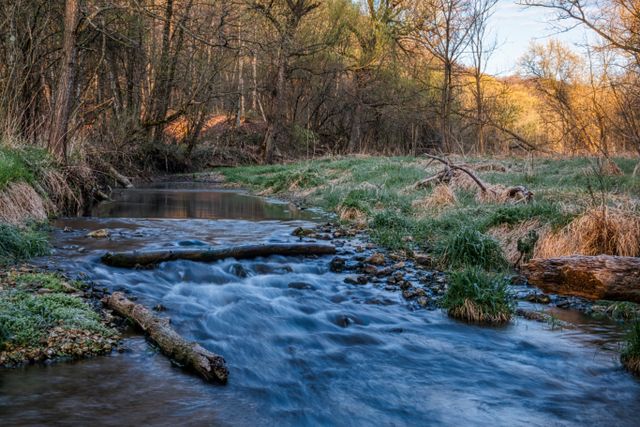
If a property contains a creek or spring, do not assume that the water can legally be diverted or used for household purposes.
Water rights vary by state and may require additional investigation.
Buyer takeaway: Confirm that a realistic water supply is available before assuming the land can support a home.
6. Understand Electricity and Off-Grid Building Rules
Electricity can affect both construction costs and long-term property usability.
A rural parcel may have utility poles nearby without an affordable connection to the proposed house.
Grid Electricity
Contact the electric utility and ask about service availability, line-extension requirements, easements, and potential installation charges.
Also investigate whether transformers, new poles, trenching, or other infrastructure will be required.
Can You Build an Off-Grid House?
In some locations, off-grid residential construction is permitted. However, the home may still need to comply with building, electrical, fire-safety, and sanitation requirements.
Solar power does not automatically eliminate permit requirements.
The U.S. Department of Energy explains that permitting and inspection requirements for residential solar installations vary by jurisdiction.
Off-grid systems may also require batteries, inverters, backup power, and appropriate electrical protection.
Before Buying
Ask the local building department which electrical systems are permitted for permanent residences.
Additionally, obtain estimates from the utility or qualified solar professionals based on the home’s expected energy needs.
Buyer takeaway: Verify that the intended electricity solution is legal, technically suitable, and financially realistic.
7. Check Flood Zones, Wetlands, and Environmental Restrictions
A beautiful riverfront or creekside property can present unexpected development challenges.
Flood exposure, wetlands, steep slopes, erosion, and other environmental conditions may affect where construction is permitted.
Start With FEMA Flood Maps
The FEMA Flood Map Service Center provides official flood hazard mapping products for the United States.
Buyers can search for a property or community to investigate mapped flood hazards.
However, being outside a mapped high-risk flood zone does not mean that a property has no flood risk.
Flood maps should be considered an important screening tool rather than a guarantee of safety.
Investigate Wetlands and Drainage
Wetlands and waterways may trigger additional review or permitting requirements.
Similarly, steep slopes or unstable soil can make construction more complicated.
The USDA Natural Resources Conservation Service Web Soil Survey provides mapped soil information that can help identify potential limitations.
Nevertheless, these online tools do not replace onsite assessments or official jurisdictional determinations.
Questions to Ask
- Is the proposed building site within a mapped flood hazard area?
- Are wetlands or regulated waterways present?
- Are additional permits required for grading or filling?
- Is the site vulnerable to erosion or drainage problems?
- Can a qualified professional confirm a suitable building location?
Buyer takeaway: A parcel may contain plenty of land while offering only a limited area suitable for construction.
8. Understand Building Permits and Construction Codes
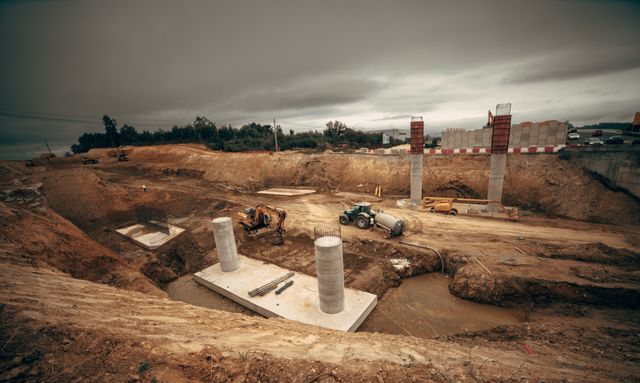
A property may allow residential use under zoning rules while still requiring extensive approvals before a house can be built.
Zoning permission and building permit approval are different steps.
Common Construction Requirements
Depending on the jurisdiction and project, buyers may need:
- Building permits
- Approved construction plans
- Foundation or structural engineering
- Electrical permits
- Plumbing permits
- Mechanical permits
- Septic or wastewater approval
- Driveway or access permits
- Required inspections
Local building departments determine which requirements apply.
Are Tiny Homes and Cabins Exempt?
Not automatically.
A small cabin, tiny home, manufactured home, or converted shed may be subject to different requirements depending on its classification and intended occupancy.
For example, a structure approved for storage may not be legally approved for full-time residential use.
Before buying, describe the exact type of structure you intend to build and ask the local authority whether it is permitted.
Buyer takeaway: Verify approval requirements for your specific building plan rather than assuming that smaller structures are exempt.
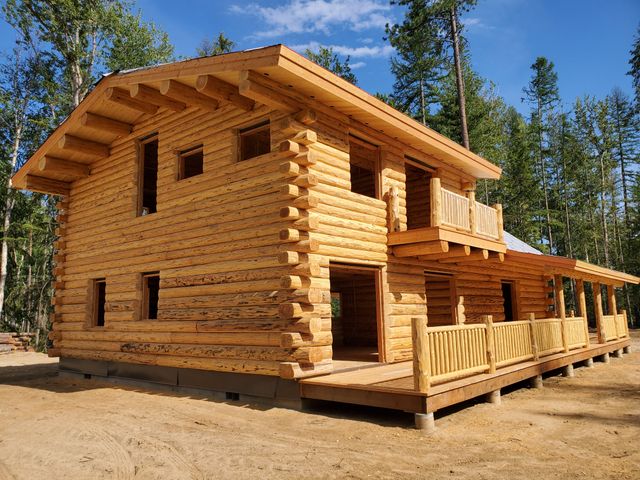
9. Review HOA Rules, Deed Restrictions, and Title Issues
Even when local zoning permits a house, private restrictions may limit what you can build.
These restrictions can appear in recorded covenants, deed documents, subdivision rules, or homeowners association requirements.
Restrictions That May Affect Rural Construction
Depending on the property, restrictions may address:
- Minimum home size
- Building materials
- Manufactured or mobile homes
- Recreational vehicles
- Architectural approval
- Fences and outbuildings
- Short-term rentals
- Road maintenance obligations
Additionally, recorded easements or other property rights may affect the location of a proposed structure.
How to Investigate
Ask for available title documents, recorded covenants, and HOA or road association rules.
If necessary, have a qualified local real estate attorney review restrictions relevant to your proposed use.
Buyer takeaway: Government permission to build does not automatically override valid private property restrictions.
Practical Example: Two Cheap Rural Properties
Consider two fictional parcels in the same general region.
Both are advertised as suitable for rural living, but neither has been fully evaluated.
| Factor | Property A | Property B |
|---|---|---|
| Asking price | $40,000 | $65,000 |
| Land size | 20 acres | 12 acres |
| Residential zoning | Needs confirmation | Confirmed by local office |
| Legal road access | Unclear | Documented |
| Septic feasibility | Not evaluated | Favorable preliminary evaluation |
| Water supply | Unknown | Existing well records available |
| Electricity | Extension requires investigation | Utility service available nearby |
| Building permits | Not investigated | Requirements identified |
This comparison is fictional and illustrates a due diligence process. It does not represent actual listings, verified building approvals, or market valuations.
Property A is cheaper and offers more acreage.
However, the unknown access and infrastructure conditions could create serious obstacles.
Property B has a higher asking price, but several important questions have already been investigated.
Still, a preliminary septic evaluation, existing well records, or nearby electricity do not guarantee final construction approval.
Which Property Is Better?
Neither can be declared the better purchase based on this information alone.
Instead, the buyer should investigate the remaining uncertainties and obtain written estimates before making a decision.
The important question is not simply, “Which parcel costs less?” It is, “Which parcel can legally and practically support my intended home?”
A Step-by-Step Way to Check Whether Rural Land Is Buildable
Before committing to a purchase, use this process.
Step 1: Identify the Parcel
Obtain the property’s parcel identification number, legal description, county, and applicable municipality.
Step 2: Contact the Planning Department
Ask whether your specific residential use is permitted and request applicable zoning and setback requirements.
Step 3: Investigate Access and Title
Review legal access, recorded easements, private restrictions, and survey information.
Step 4: Contact the Septic Authority
Determine which site evaluations and wastewater approvals are required.
Step 5: Investigate Water and Electricity
Contact the relevant utility providers, well professionals, and permitting authorities.
Step 6: Review Environmental Conditions
Use FEMA flood maps and USDA soil information as screening tools. Arrange professional assessments where necessary.
Step 7: Request Written Cost Estimates
Investigate driveway construction, site preparation, water supply, wastewater systems, electricity, and permit-related expenses.
Step 8: Review Your Contract Protections
Where available and properly negotiated, due diligence contingencies can provide time to investigate critical issues before closing.
Consult a qualified local professional about contract terms and deadlines.
For more detail, read our step-by-step guide to buying rural land in the USA.
You can also explore our guide to the hidden costs of buying cheap land to understand how infrastructure and development expenses may affect your budget.
Rural Land Buildability Checklist
Use this checklist before purchasing land intended for a home or cabin.
Legal and Zoning
- Confirm the correct parcel identification.
- Verify residential zoning and permitted uses.
- Check minimum lot size and setbacks.
- Review deed restrictions and HOA rules.
- Confirm recorded legal road access.
Physical Conditions
- Inspect the property in person.
- Identify a potential building location.
- Review soil conditions and slope.
- Investigate flood exposure and wetlands.
- Check driveway and emergency vehicle access.
Utilities and Permits
- Confirm septic feasibility.
- Investigate water availability.
- Verify electricity or off-grid requirements.
- Identify building permit requirements.
- Obtain relevant professional evaluations.
Budget and Closing
- Request local contractor estimates.
- Review title and survey information.
- Investigate ongoing property expenses.
- Include a contingency for unexpected costs.
- Complete required due diligence before deadlines.
Frequently Asked Questions
Can you build a house on any rural land?
No. Whether a house is permitted depends on zoning, access, parcel characteristics, building regulations, and applicable private restrictions.
Can you build a cabin on land zoned agricultural?
Possibly. Some agricultural zoning districts allow residential structures, while others impose restrictions or require additional approvals. Confirm the rules with the local zoning authority.
Can you build a house without a septic system?
Some properties have access to municipal sewer service or another legally approved wastewater solution. Where neither is available, residential construction may not be feasible.
Does unrestricted land mean you can build anything?
No. The word “unrestricted” in a listing does not establish that a property is exempt from building codes, environmental rules, or other legal requirements.
Can you live permanently in an off-grid cabin?
Permanent off-grid living may be permitted in some locations, provided the structure and its utilities meet applicable requirements. Check with local authorities before building or occupying the property.
Does a large acreage guarantee enough room for a house?
No. Setbacks, steep slopes, easements, wetlands, access limitations, and other conditions may reduce the buildable area.
Who can confirm whether rural land is buildable?
The local planning and building departments are important starting points. Depending on the property, you may also need information from health departments, utility providers, surveyors, engineers, and qualified legal professionals.
Final Thoughts: Verify Buildability Before You Buy
Cheap rural land can offer privacy, recreational opportunities, and the possibility of building a future home.
However, attractive acreage and a low asking price do not guarantee that residential construction is allowed or practical.
Before purchasing, investigate zoning, legal access, setbacks, septic feasibility, water, electricity, environmental conditions, building permits, and private restrictions.
Most importantly, obtain parcel-specific information from the authorities and professionals responsible for those decisions.
The best rural land purchase is not necessarily the cheapest parcel. It is one that can realistically support your intended use within your budget.
At EstatePath, we help readers evaluate rural properties beyond the listing price so they can make better-informed decisions.
For zoning classifications, building approvals, property taxes, septic permits, and local development requirements, consult the relevant state, county, municipal, or tribal authorities.
Disclaimer: This article is for general educational purposes only and does not constitute legal, financial, engineering, environmental, or professional real estate advice. Rules and property conditions vary by jurisdiction. No specific parcel is represented as legally buildable. Buyers should obtain parcel-specific information and consult qualified local professionals before purchasing or developing land.
