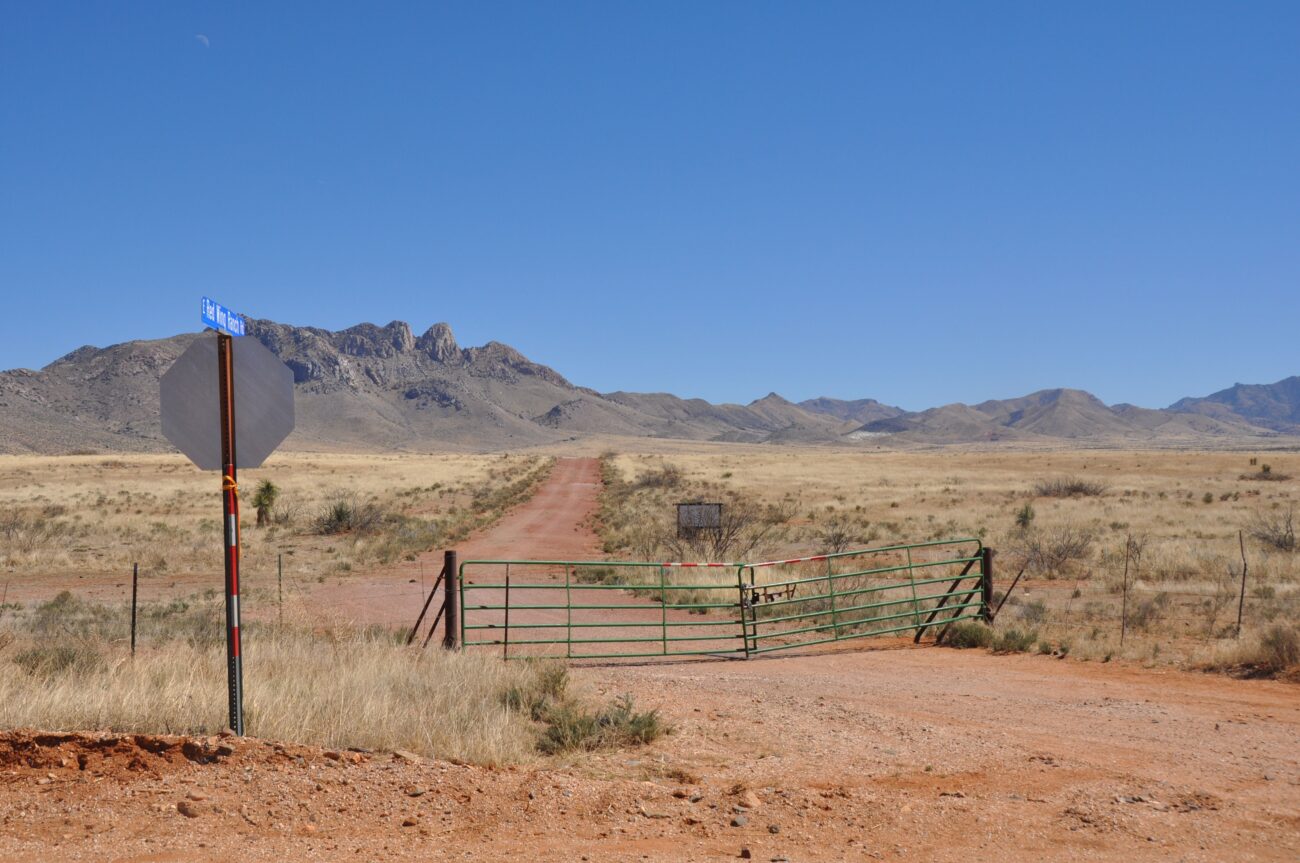
A 40-acre property listed for $45,000 might seem like an excellent opportunity. It could offer wooded hills, mountain views, and enough space for a secluded cabin.
But there is one question every buyer should investigate before making an offer:
Do you have the legal right to reach the property?
A visible dirt road does not necessarily mean you can legally use it. Similarly, a recorded access easement does not guarantee that the route is suitable for everyday driving or construction equipment.
For buyers considering remote cabins, off-grid homesteads, or inexpensive vacant land, checking legal road access before buying rural land is an essential part of due diligence.
This guide explains the difference between legal and physical access, how to investigate recorded easements, and what to do when a property appears landlocked.
1. Understand Legal Access vs. Physical Access
Before evaluating a rural listing, understand that access has two separate components.
What Is Legal Road Access?
Legal access means having an enforceable right to travel between a property and a public road.
That right may come from direct public-road frontage, a valid easement, or another legally recognized arrangement.
However, the existence, scope, and enforceability of access rights depend on the relevant documents and applicable state law.
What Is Physical Road Access?
Physical access refers to the actual route used to reach the property.
A road may be paved, gravel, dirt, or an undeveloped trail.
Its condition can vary depending on weather, terrain, drainage, and maintenance.
For example, a parcel might have a recorded easement but no constructed driveway.
Conversely, a well-maintained dirt road may cross private land without giving the buyer a documented right to use it.
Buyer takeaway: Always investigate both the legal right to access the property and the physical condition of the route.
2. Find Out Whether the Property Is Landlocked
A landlocked parcel generally lacks direct access to a public road and may require crossing another property to reach it.
However, the term alone does not establish whether the parcel has a valid easement or other access rights.
A Real County Government Example: Napa County, California
Napa County’s official Landlocked Parcels guidance explains how parcels can become landlocked when land is divided without retaining an appropriate deeded access easement.
The county recommends obtaining a title report before purchasing property.
That report may identify deeded access rights or court-ordered rights affecting the parcel.
Importantly, Napa County also warns that resolving access problems through negotiations or litigation can involve substantial costs.
This is a useful example of why buyers should investigate access rights before relying on a property’s asking price.
Warning Signs in Rural Land Listings
Pay extra attention to descriptions such as:
- Access through neighboring property
- Unrecorded road agreement
- Buyer to verify access
- No established driveway
- Access by seasonal trail
- Easement believed to exist
- Recreational access only
These phrases do not automatically make a property unsuitable.
Nevertheless, they indicate questions that should be resolved before closing.
Buyer takeaway: If a listing cannot clearly explain how the property connects to a public road, treat access as an unresolved due diligence issue.
3. Review the Deed and Preliminary Title Report
A property’s deed and title records are important starting points for investigating legal access.
Depending on the jurisdiction, relevant documents may include recorded deeds, subdivision plats, easement agreements, court orders, and other instruments.
What Should You Look For?
Review documents for:
- Recorded access easements
- Road rights-of-way
- Easement descriptions
- Benefited and burdened parcels
- Recorded subdivision maps
- Restrictions on the type of access
- Title exceptions or unresolved claims
An access easement may cross one or more neighboring properties.
Therefore, the route must be investigated carefully to determine whether it provides a legally sufficient connection to a public road.
Official Example: Marin County, California
The Marin County Assessor-Recorder’s easement guidance explains that easements can be created through recorded maps, deeds, or agreements.
It also recommends starting with a preliminary title report and reviewing the legal description in the deed.
For some records, additional searches through the county recorder’s index may be necessary.
Who Can Help?
A title company can identify recorded instruments and explain the coverage being offered.
A qualified local real estate attorney can help interpret legal rights, restrictions, and potential disputes.
A licensed surveyor can help locate the route described in recorded documents.
Buyer takeaway: Ask for the actual recorded documents supporting access rather than accepting a verbal statement that an easement exists.
4. Understand What an Access Easement Allows
An easement is a legal right to use another person’s land for a defined purpose.
However, not all easements provide the same rights.
Some may allow vehicle access. Others may address utilities, drainage, pedestrian passage, or other limited uses.
Important Easement Details
Depending on the document, buyers should investigate:
- Who benefits from the easement
- Which property is burdened by it
- The permitted type of use
- The route’s location
- Its width and dimensions
- Whether construction or improvements are permitted
- Maintenance obligations
- Whether restrictions or conditions apply
The U.S. Bureau of Indian Affairs’ right-of-way guidance illustrates how a formal right-of-way grant can define purpose, use, width, length, and duration in the specific context of Indian and tribal lands.
Rules for private property outside that context may differ. Therefore, buyers should rely on the documents and laws governing their particular parcel.
Can You Improve an Existing Easement Road?
Not necessarily.
The legal right to pass over land does not automatically authorize unlimited grading, widening, tree removal, or construction.
Before improving a route, verify what the easement permits and whether local permits or landowner approvals are required.
Buyer takeaway: Confirm that the easement supports your intended use, including the type of vehicles and access improvements you may need.
5. Don’t Rely Only on Google Maps or County GIS
Satellite imagery can be helpful when investigating rural land.
It may reveal dirt tracks, nearby public roads, terrain, and possible driveway routes.
However, imagery alone cannot establish legal access rights.
Why County Parcel Maps Have Limitations
County GIS systems commonly display parcel boundaries and other useful property information.
Nevertheless, these maps are often designed for assessment and reference purposes rather than legal surveying.
For example, the Lake County, Florida Property Appraiser’s GIS guidance states that its displayed boundary lines are for general reference and that easements are not displayed by the office.
Similarly, Buncombe County, North Carolina explains that its GIS data is not survey-grade and does not map access or utility easements.
A Better Research Process
Use mapping tools to identify questions.
Then compare the information with:
- Recorded deeds and easements
- Preliminary title documents
- Available professional surveys
- Information from the relevant road authority
- Legal advice where necessary
Buyer takeaway: A road visible on a satellite map is evidence of a physical feature, not proof of a legal right to use it.
6. Verify Whether the Road Is Public or Private
A road may have a name, appear on a digital map, and serve multiple properties without being publicly maintained.
Therefore, buyers should verify who owns, controls, and maintains the route.
Questions for the Road Authority
Contact the county road department or other responsible agency and ask:
- Is this road public or private?
- Is it publicly maintained?
- Does public maintenance end before the property?
- Are there seasonal restrictions?
- Are permits required for driveway connections?
- Are there applicable road or bridge limitations?
A road’s public status, maintenance responsibility, and suitability for construction traffic are separate questions.
Private Road Maintenance
When access depends on a private road, buyers should investigate any recorded maintenance agreement.
Potential expenses may include gravel replacement, grading, drainage repairs, culvert maintenance, and snow removal.
Furthermore, disputes can arise when multiple owners use the same road but maintenance responsibilities are unclear.
Buyer takeaway: Don’t assume that a named road is maintained by the county or suitable for year-round residential access.
7. Inspect the Actual Road Before Making an Offer
Even with documented legal access, physical conditions can make a rural property difficult or expensive to use.
A narrow mountain track may be manageable for an off-road vehicle but unsuitable for a delivery truck or construction equipment.
What to Inspect
During a property visit, look for:
- Road width and turning areas
- Steep slopes
- Loose gravel or deep ruts
- Washouts and erosion
- Drainage problems
- Low-clearance branches
- Stream crossings
- Bridges and culverts
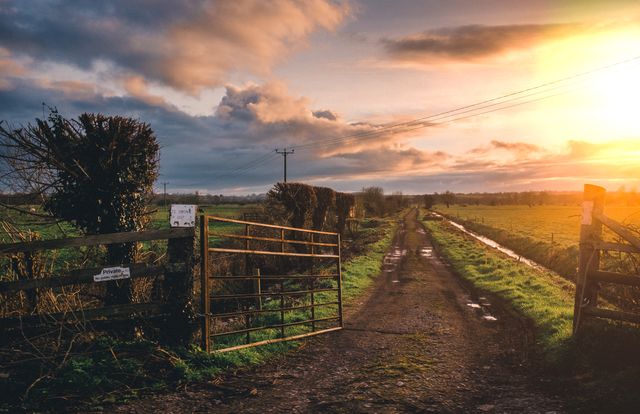
- Gates and locked entrances
- Winter or seasonal access limitations
Avoid assuming that a route is passable year-round because it is usable during one visit.
Consider Emergency and Construction Access
If you plan to build a permanent residence, ask the local building and fire authorities about applicable emergency-access standards.
Also discuss construction access with your contractor.
Some properties may require road improvements before equipment can reach the proposed building site.
Buyer takeaway: A legal right to reach the parcel is valuable, but the cost of making the route usable still matters.

8. Investigate Access Problems Before Closing
What happens if a property appears to have no documented access?
First, avoid assuming that an access right automatically exists simply because the parcel is surrounded by other privately owned land.
State laws may recognize certain easement claims under specific circumstances, but those claims can depend on historical ownership, prior use, recorded documents, and other facts.
They may also require negotiation or litigation.
Possible Ways an Access Problem May Be Addressed
Depending on the circumstances, potential approaches include:
- Locating an existing recorded easement
- Correcting incomplete title documentation
- Negotiating a new easement with a neighboring owner
- Purchasing additional land with road frontage
- Seeking legal advice about rights recognized under state law
None of these solutions is guaranteed.
As Napa County explains in its landlocked-parcel guidance, resolving access problems can be costly.
What About an Easement by Necessity?
In some jurisdictions, an easement by necessity may arise under specific legal conditions.
However, eligibility varies by state and depends on the property’s history and applicable law.
The Cornell Legal Information Institute provides a general explanation of landlocked property and potential easement concepts.
Buyers should not treat these doctrines as guaranteed solutions.
Buyer takeaway: If access is unresolved, consult a qualified local real estate attorney before completing the purchase.
Practical Example: Two Rural Properties With Different Access Risks
Consider two hypothetical properties advertised for recreational or residential use.
| Factor | Property A | Property B |
|---|---|---|
| Asking price | $39,000 | $59,000 |
| Land size | 40 acres | 25 acres |
| Road shown on satellite imagery | Yes | Yes |
| Recorded access easement | Not confirmed | Documented |
| Physical driveway | Rough seasonal track | Established gravel driveway |
| Road maintenance agreement | Unknown | Available for review |
| Construction vehicle access | Not evaluated | Requires final confirmation |
This is a fictional educational comparison, not an analysis of actual properties or current market prices.
Property A offers more acreage at a lower asking price.
However, the unresolved easement and road conditions create uncertainty.
Property B costs more but provides documentation that may make its access easier to evaluate.
Nevertheless, Property B still requires verification of the easement’s legal scope and the driveway’s suitability for the buyer’s intended use.
The Better Question to Ask
Instead of asking only which property has the lowest price per acre, ask:
What will it cost—and what legal rights are required—to reach and use this property as intended?
A cheaper parcel may become expensive if road construction, easement negotiations, or legal disputes are necessary.
Step-by-Step: How to Check Legal Road Access Before Buying Rural Land
Use this process before committing to a rural property purchase.
Step 1: Get the Parcel Number
Ask the seller or listing agent for the parcel identification number and legal description.
Step 2: Review County Maps
Use the county GIS or assessor map to understand the parcel’s location and nearby roads.
Remember that these maps are preliminary research tools.
Step 3: Request Title Information
Obtain an appropriate preliminary title report or title commitment.
Ask the title professional to identify documented access rights and relevant exceptions.
Step 4: Locate Recorded Easements
Review the actual easement instruments, plats, and deeds referenced in the title records.
Step 5: Verify the Road’s Status
Contact the relevant road authority to investigate public-road status and maintenance.
Step 6: Visit the Property
Inspect the access route and consider seasonal conditions, gates, bridges, and terrain.
Step 7: Estimate Improvement Costs
If road work is required, obtain estimates from qualified local contractors.
Step 8: Review Unresolved Issues
If access rights remain uncertain, consult a local real estate attorney and surveyor as appropriate.
Step 9: Protect Your Due Diligence Period
Where available and properly negotiated, contract contingencies may provide time to investigate access before closing.
For a broader buying process, read our guide to buying rural land in the USA.
You can also explore the hidden costs of buying cheap land and our guide on whether you can build a house on cheap rural land.
Rural Land Road Access Checklist
Use this checklist when evaluating remote acreage.
Legal Documents
- Obtain the parcel identification and legal description.
- Review the preliminary title report or title commitment.
- Identify recorded access easements.
- Obtain copies of relevant deeds and plats.
- Check easement restrictions and permitted uses.
- Investigate any unresolved title exceptions.
Road Conditions
- Determine whether the road is public or private.
- Confirm maintenance responsibility.
- Inspect the access route in person.
- Check seasonal access limitations.
- Investigate gates, bridges, and culverts.
- Evaluate construction and emergency vehicle access.
Before Closing
- Obtain necessary professional advice.
- Request road improvement estimates.
- Review private-road maintenance obligations.
- Verify that access supports the intended property use.
- Resolve critical access questions before contract deadlines.
Frequently Asked Questions
Can you buy land without road access?
Yes, land without direct public-road access may be sold. However, purchasing it can create substantial practical and legal difficulties. Buyers should investigate whether valid access rights exist before closing.
Does a dirt road mean a property has legal access?
No. A visible dirt road does not establish a legal right to cross someone else’s land.
What is a deeded access easement?
A deeded access easement generally refers to an access right established through a deed or other recorded legal instrument. Its exact scope depends on the document and applicable law.
Can a neighbor block access to my rural property?
The answer depends on your legally enforceable rights, the easement’s terms, and applicable law. Consult a qualified local attorney if a dispute exists.
Can I build a driveway across someone else’s property?
Not automatically. You generally need an appropriate legal right and may also need permits or approvals.
Does title insurance guarantee that every road problem is covered?
No. Coverage depends on the policy, endorsements, exceptions, and the facts of the transaction. Ask the title company to explain what is and is not insured.
Can a landlocked parcel become buildable?
Potentially, but obtaining legal access does not automatically satisfy zoning, septic, water, building, or other development requirements.
Final Thoughts: Never Assume Rural Road Access Is Guaranteed
Remote rural land can offer privacy, recreation, and opportunities for future development.
However, a low asking price and a visible road do not prove that a property has reliable legal access.
Before buying, review title documents, investigate easements, contact the appropriate road authority, and inspect the physical route.
If access rights remain uncertain, obtain qualified local legal advice before committing to the purchase.
The most important road is not always the one you can see. It’s the one you have the legal right to use.
At EstatePath, our goal is to help buyers investigate rural properties beyond the listing price and make more informed decisions.
Official Research Resources
The following resources explain important land access and easement concepts:
- Napa County, California — Landlocked Parcels
- Marin County, California — Easements
- San Mateo County, California — Finding Easements
- Buncombe County, North Carolina — Land Records and GIS Limitations
- Cornell Legal Information Institute — Landlocked Property
For a specific property, consult the relevant county recorder, title company, road authority, licensed surveyor, and qualified local real estate attorney.
Disclaimer: This article is for general educational purposes only and does not constitute legal, financial, surveying, engineering, or professional real estate advice. Easement laws and road-access requirements vary by jurisdiction. The fictional property comparison does not represent actual listings or market values. Buyers should obtain parcel-specific documentation and qualified professional advice before purchasing land.
