In today’s real estate market, high mortgage interest rates and strict bank lending requirements have left many aspiring investors and homebuyers feeling locked out of the game. But what if you could bypass the traditional banking system entirely? What if the seller of the house essentially became the bank?
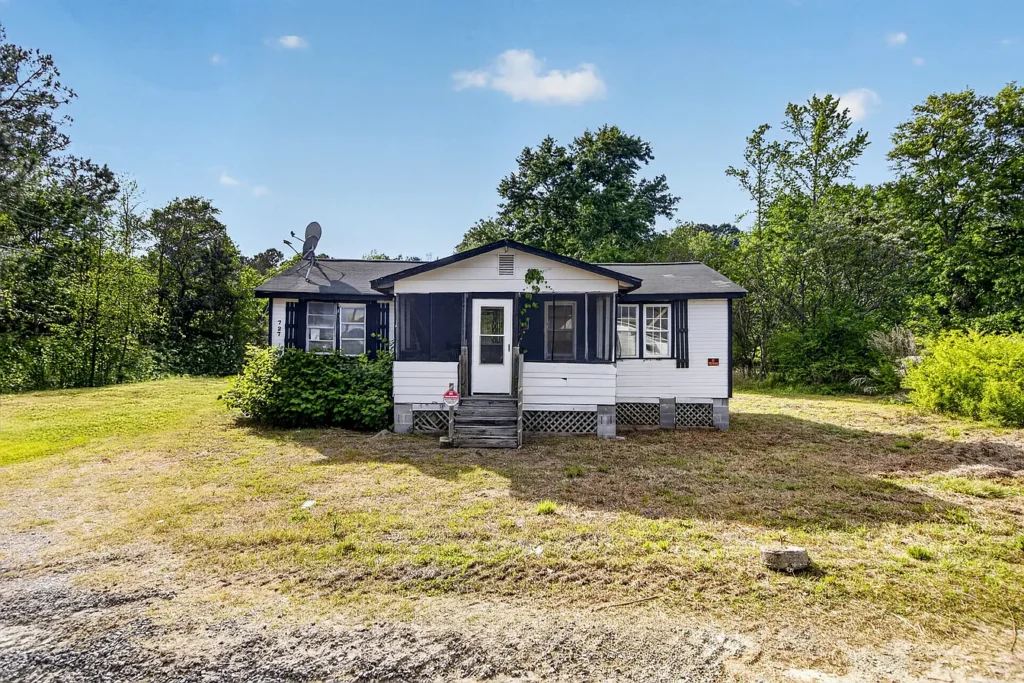
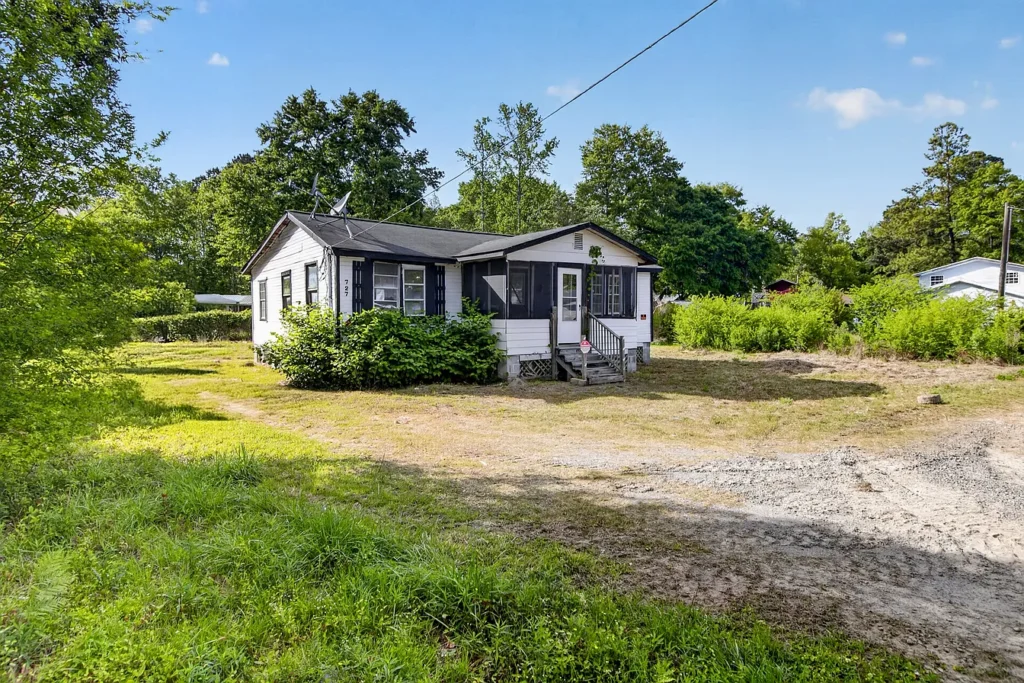
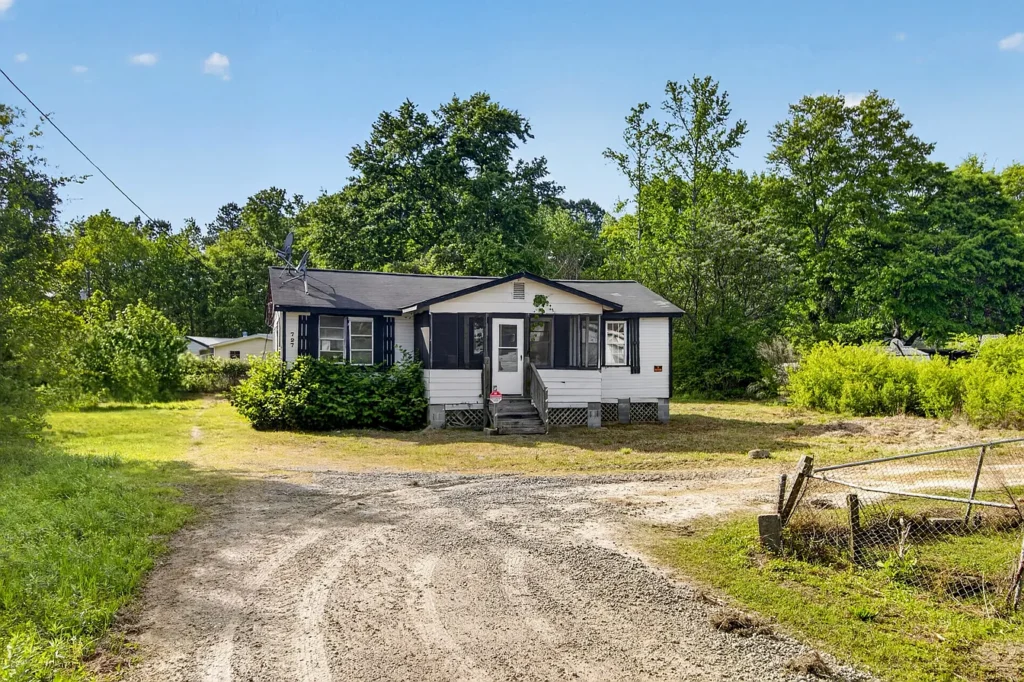
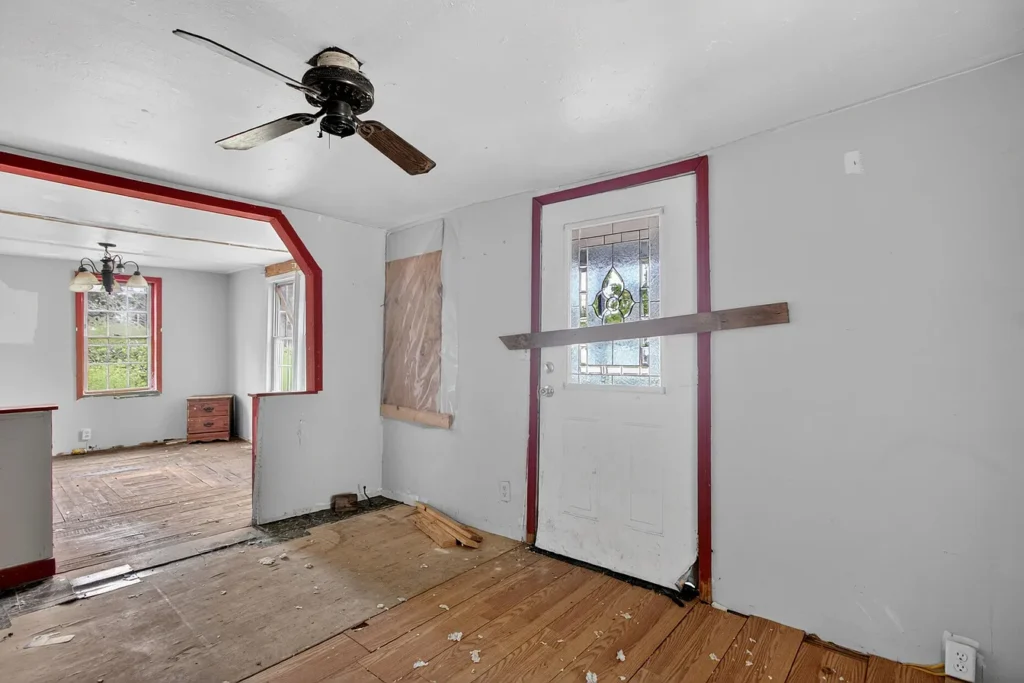
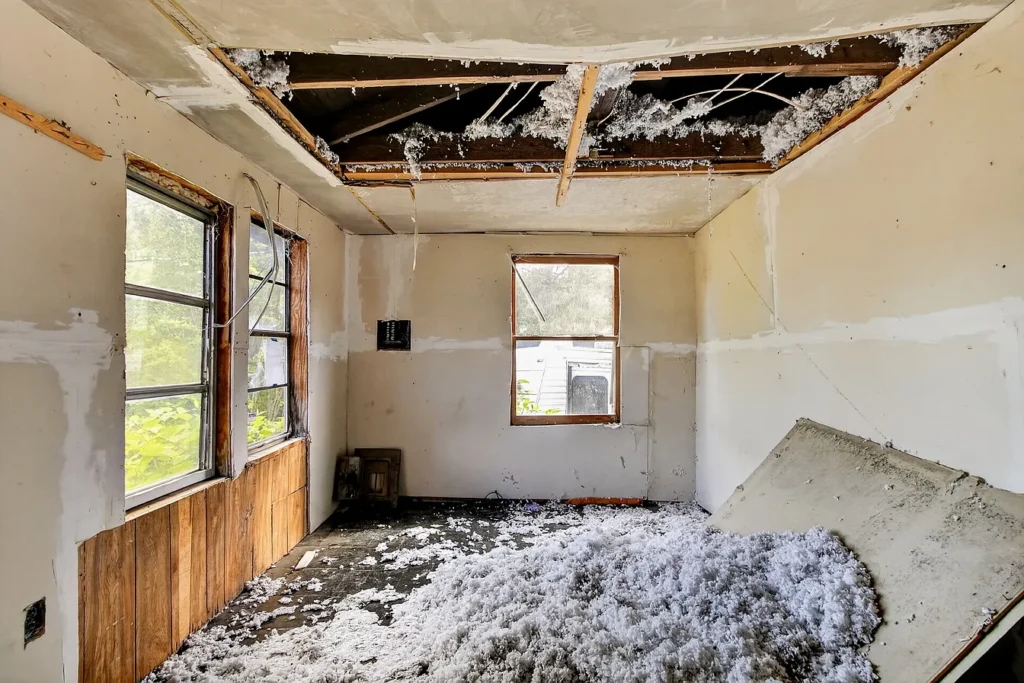
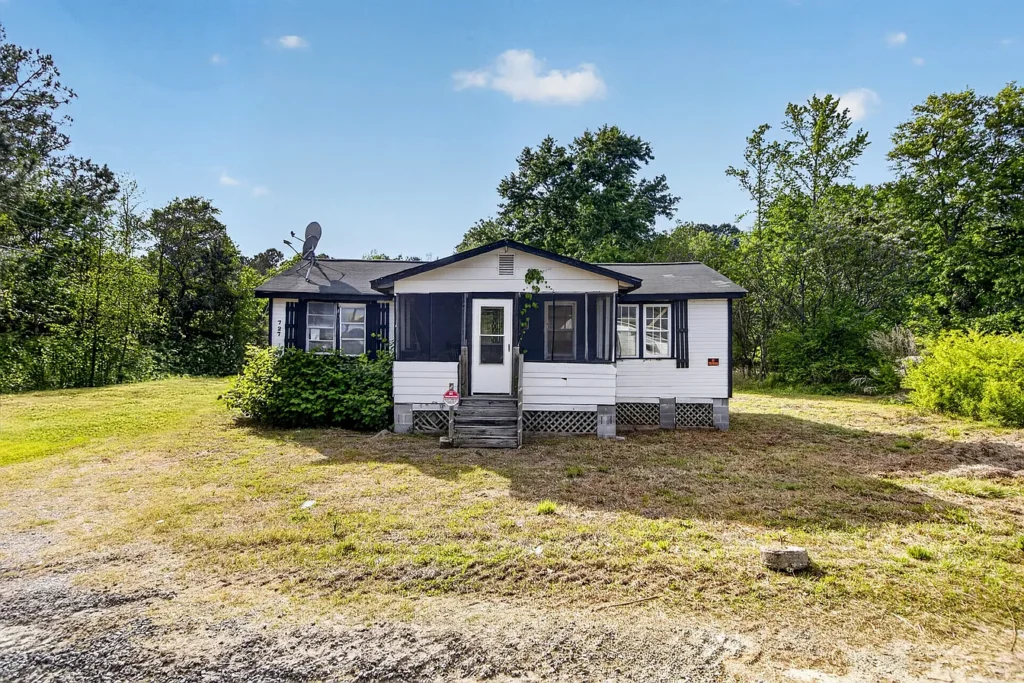
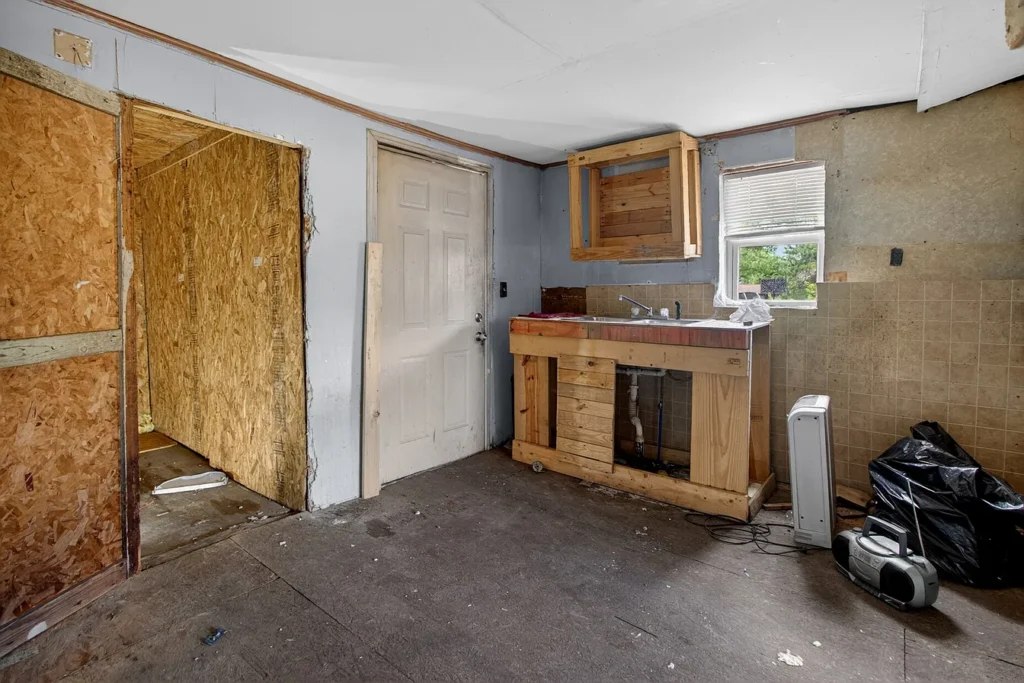
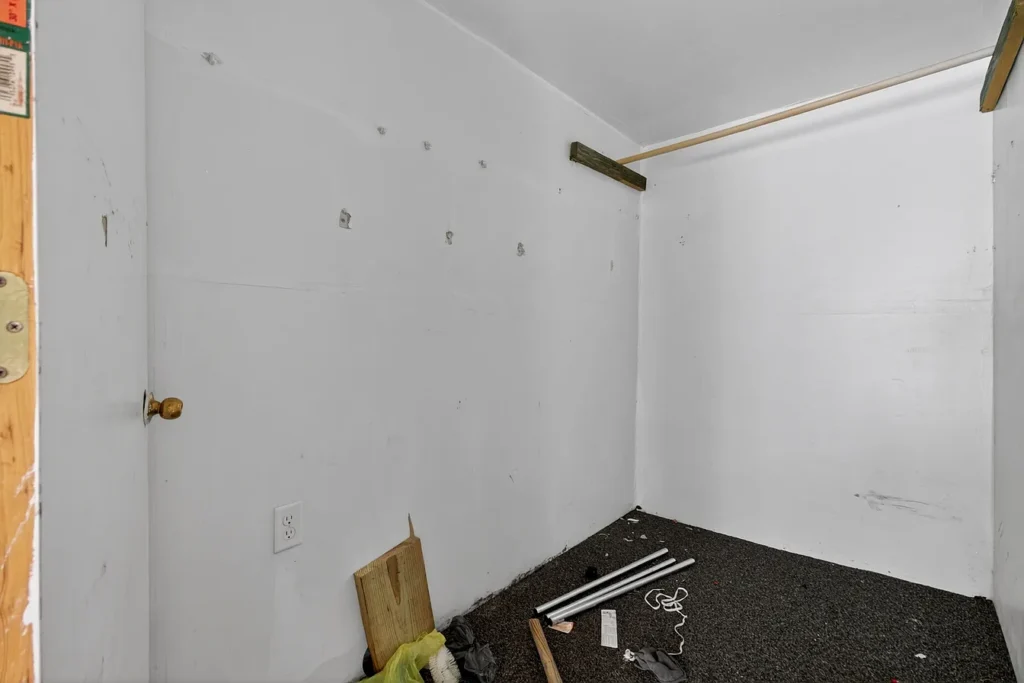
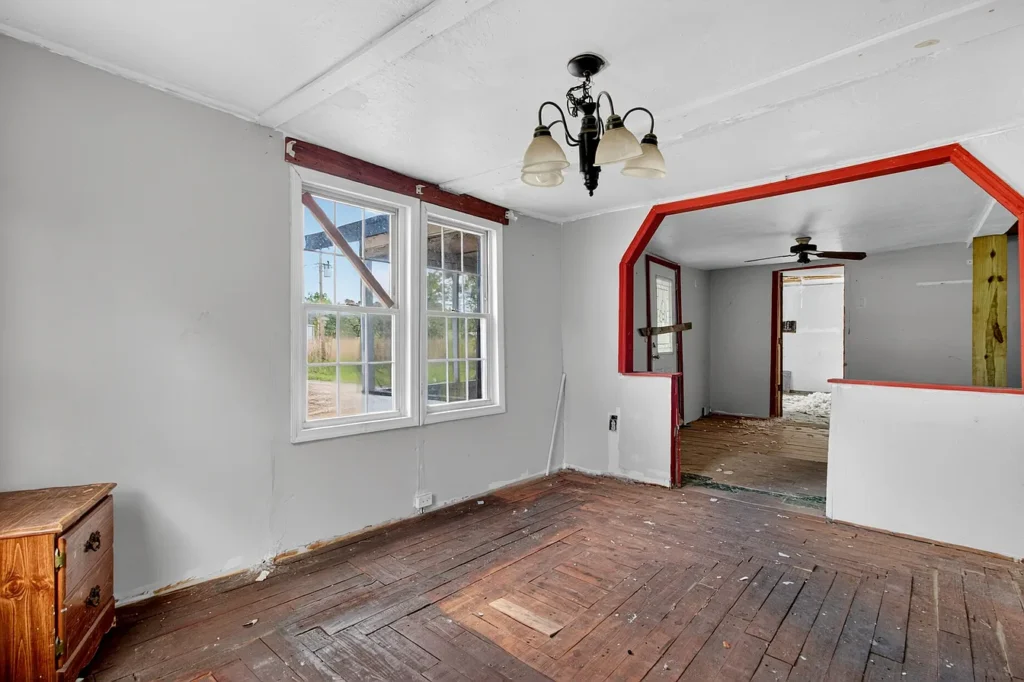
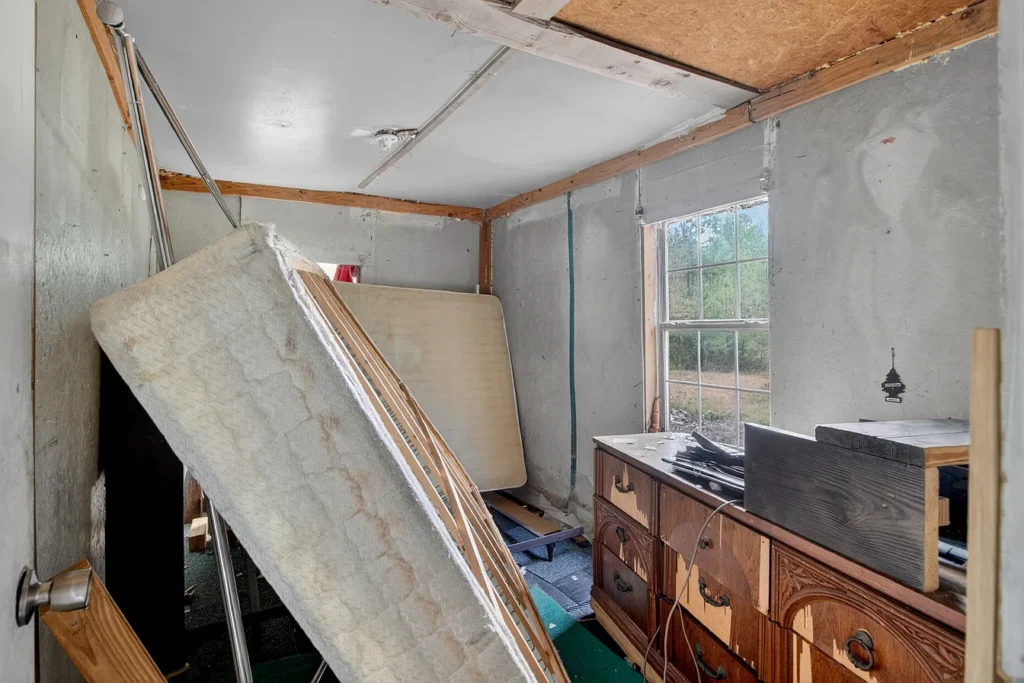
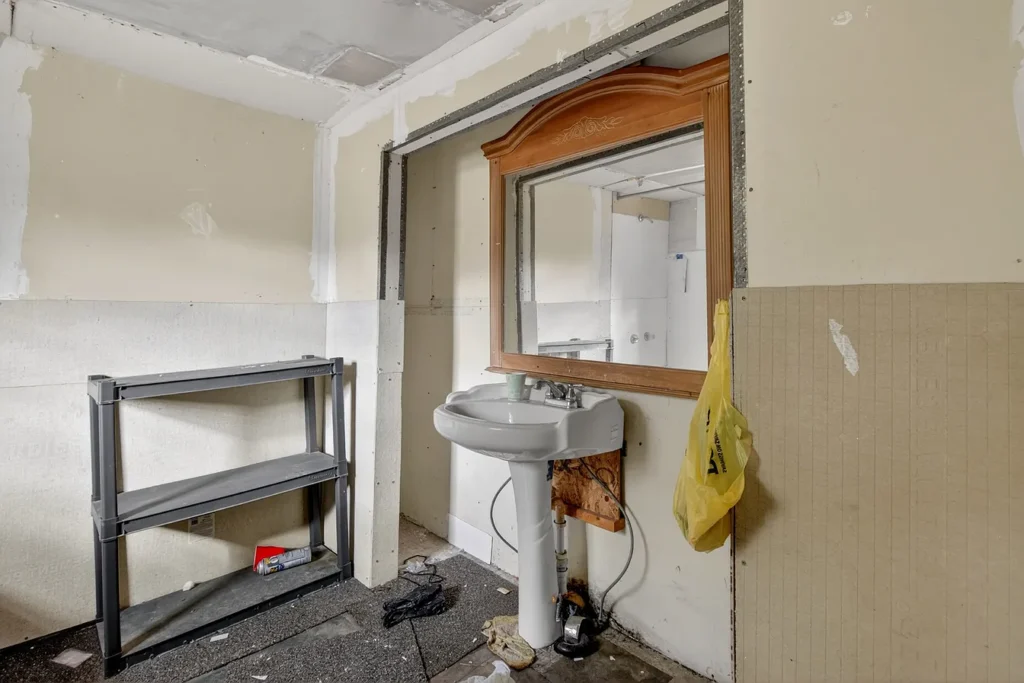
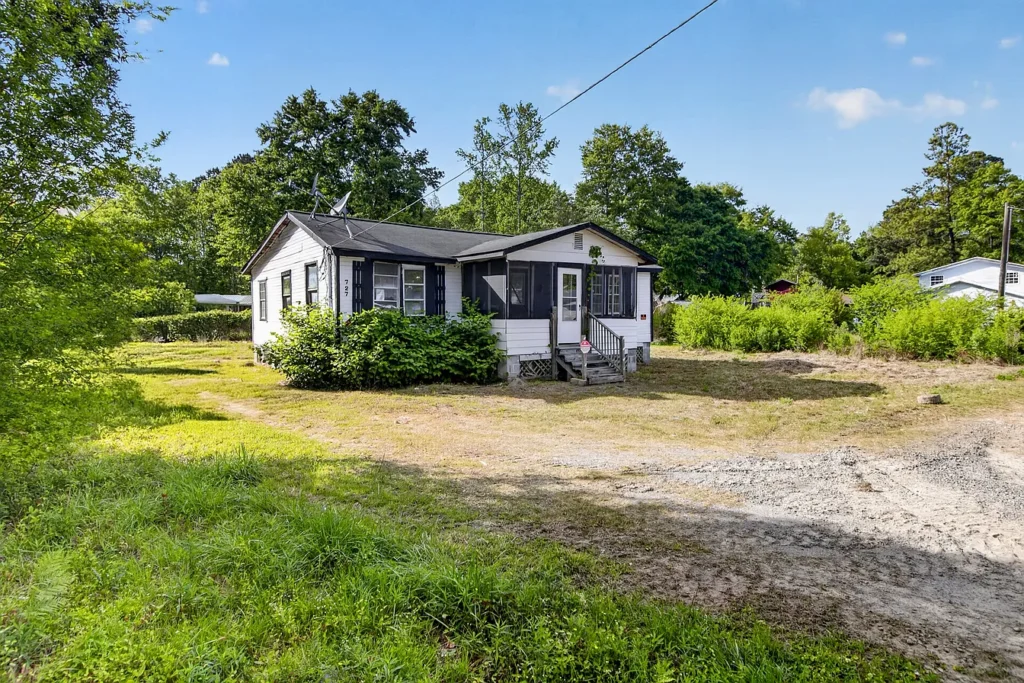
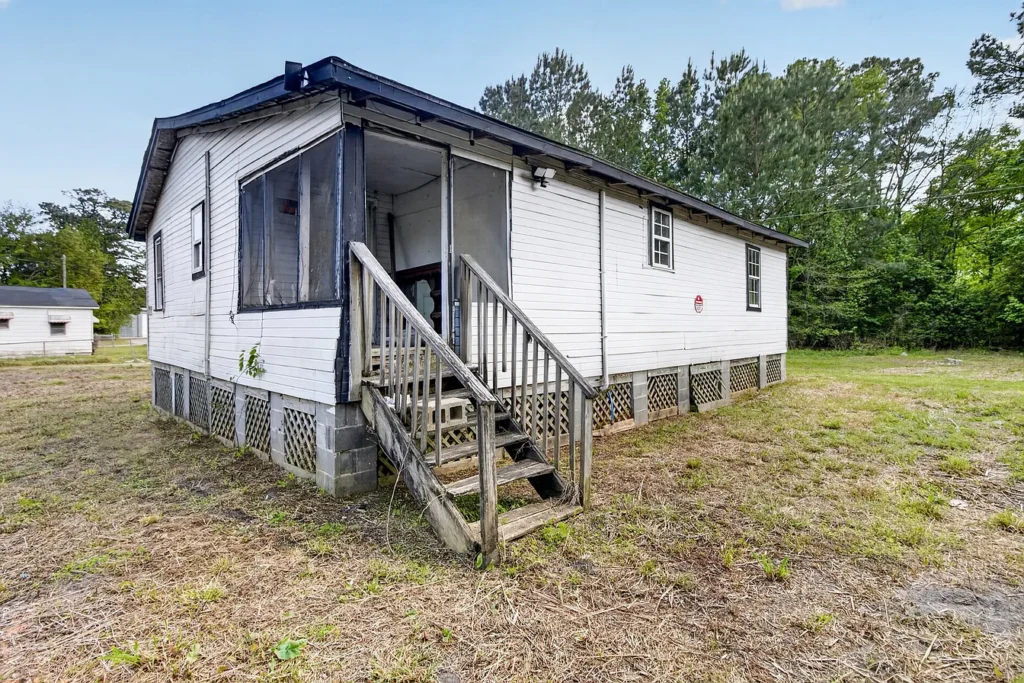
Welcome to the world of Creative Financing. Today, we are analyzing a unique investment opportunity that offers a masterclass in alternative real estate strategies. We are looking at a 3-bedroom, 1-bathroom handyman special located at 727 Campbellridge Ln, Saint Stephen, SC 29479, listed for just $55,000.
Beyond the attractive price tag, the golden ticket in this listing is five magic words: “Seller will finance the property.” Let’s dive deep into what this means, how to evaluate rural fixer-uppers, and why this South Carolina property is a fascinating case study for real estate wealth building.
Property Highlights at a Glance
| Feature | Detail |
| Address | 727 Campbellridge Ln, Saint Stephen, SC 29479 |
| Listing Price | $55,000 ($54/sqft) |
| Bed / Bath | 3 Bedrooms / 1 Bathroom |
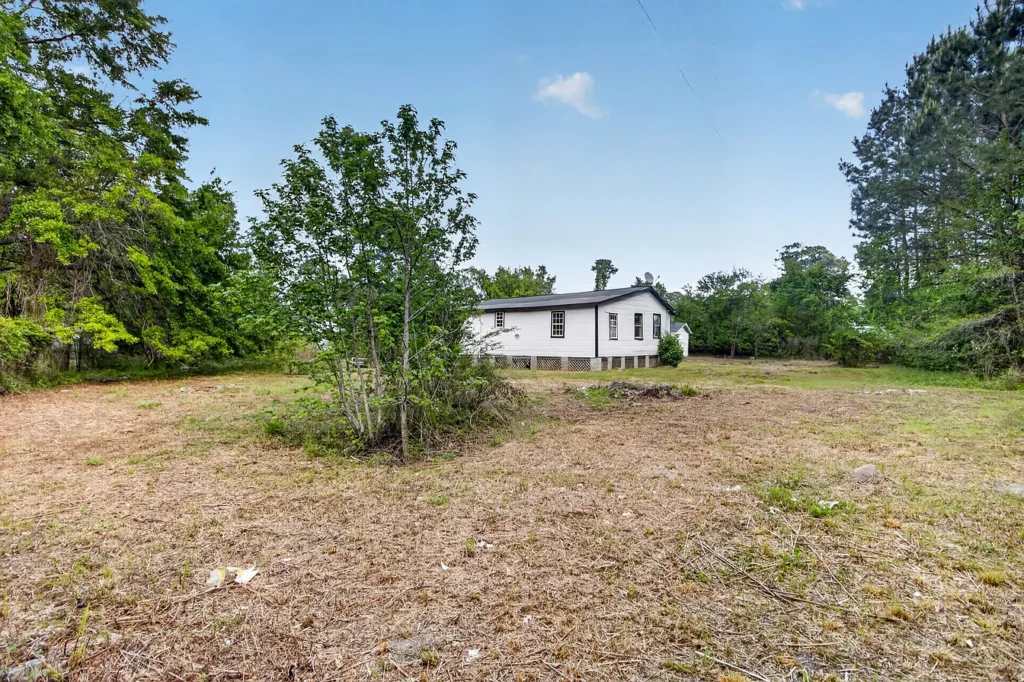
| Size | 1,016 sq. ft. (0.31 Acres) |
| Year Built | 1970 (Ranch Style) |
| Special Terms | Owner Financing Available (Owner Will Carry) |
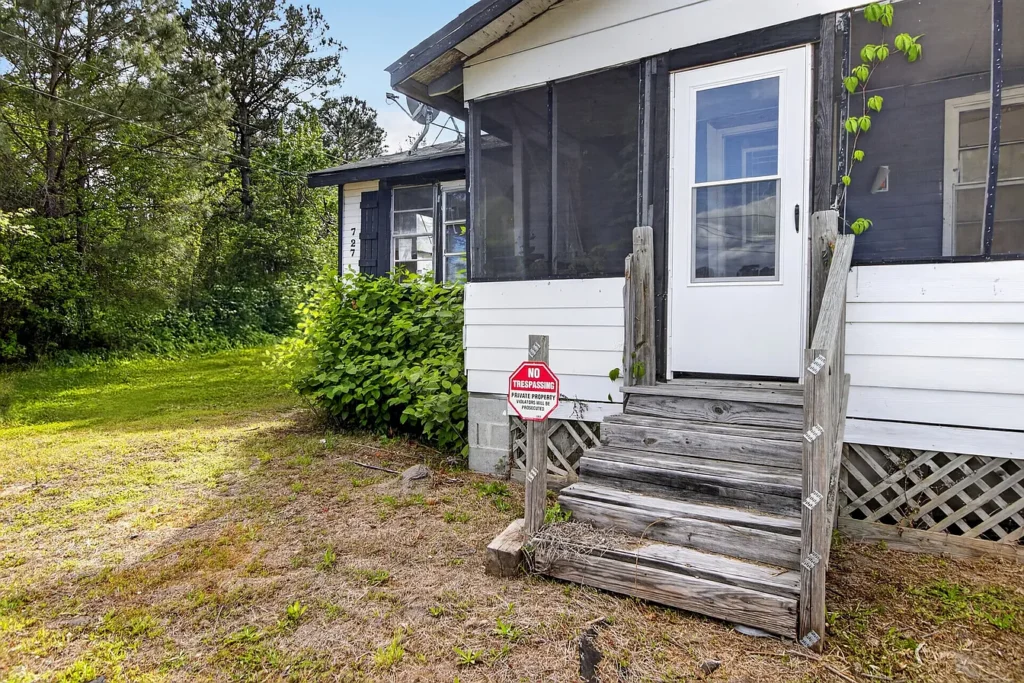
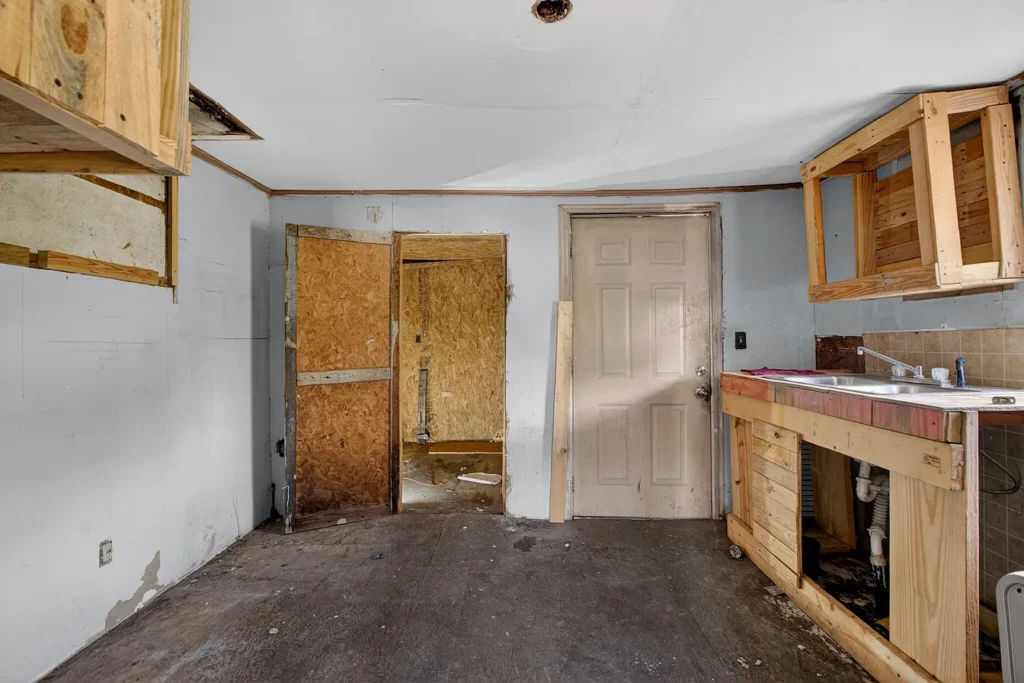
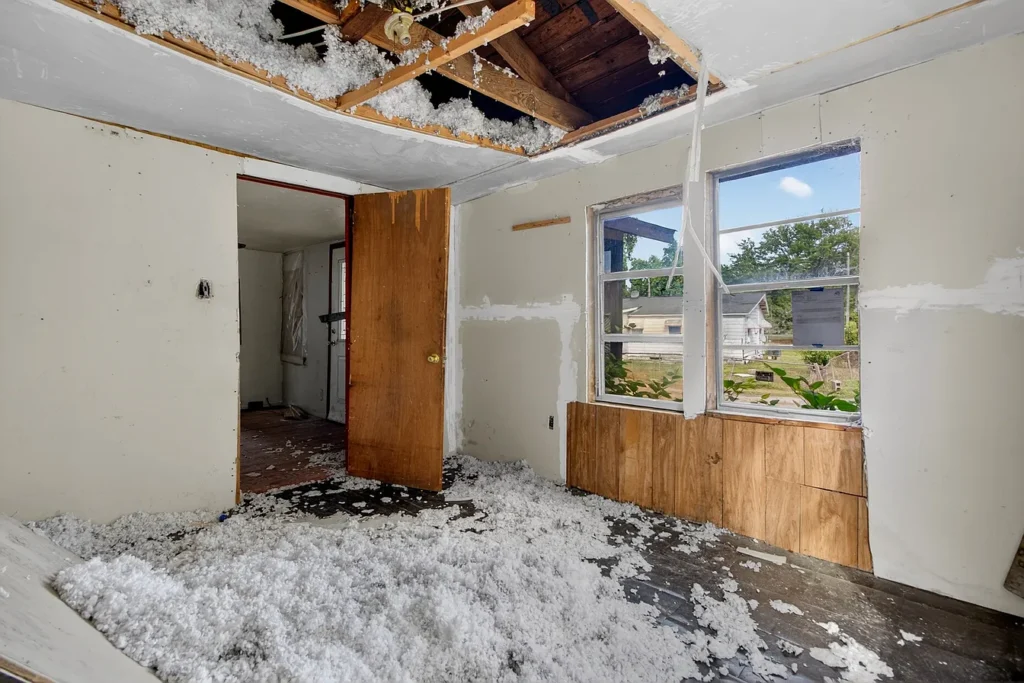
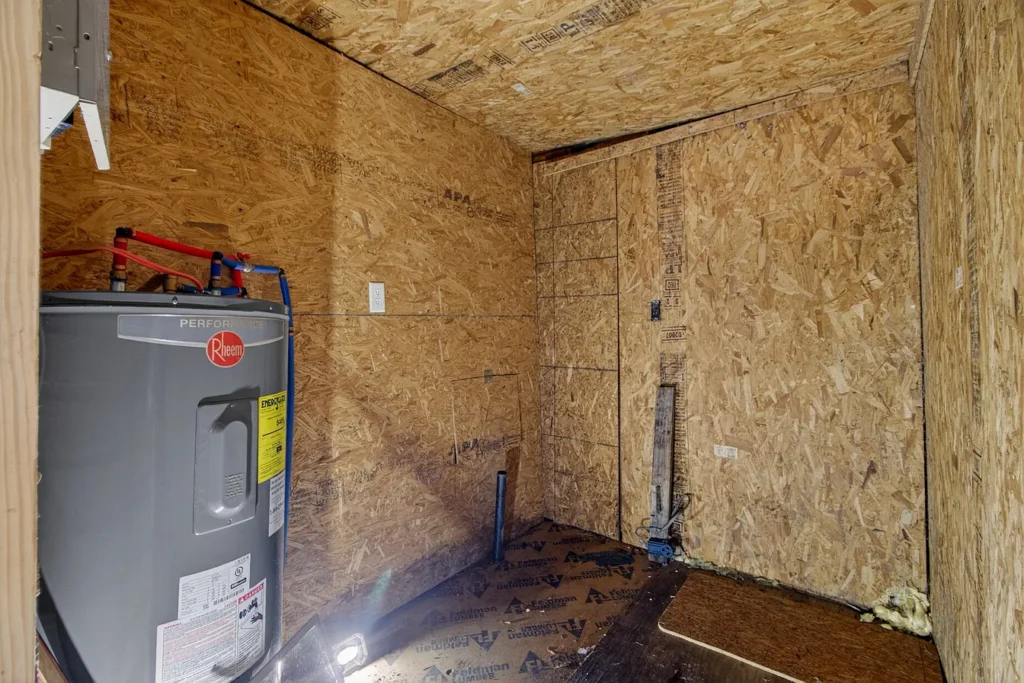
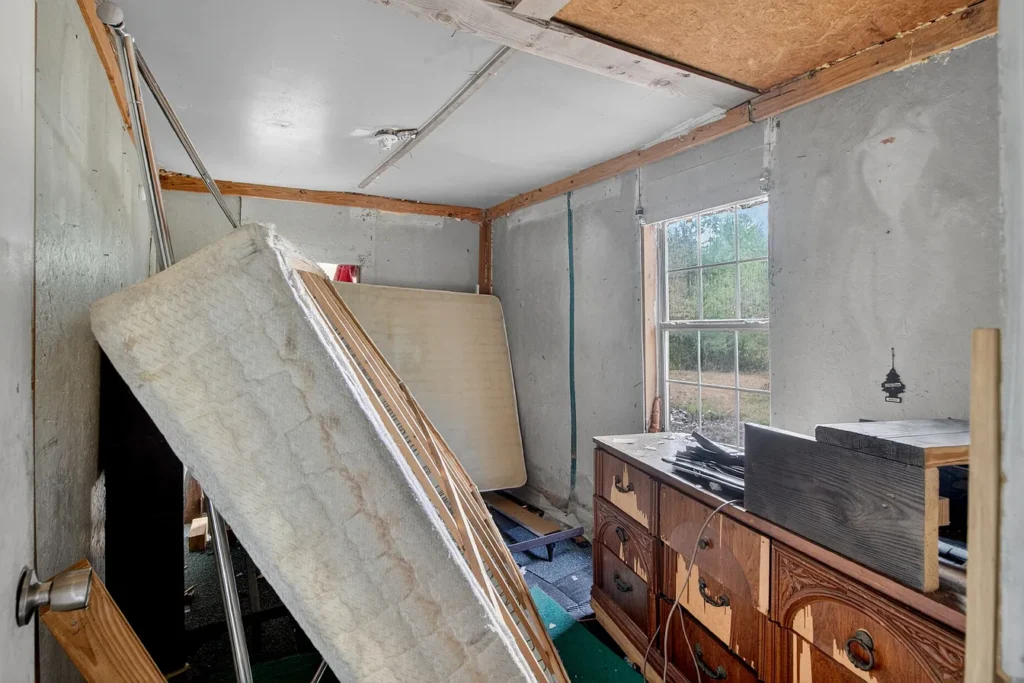
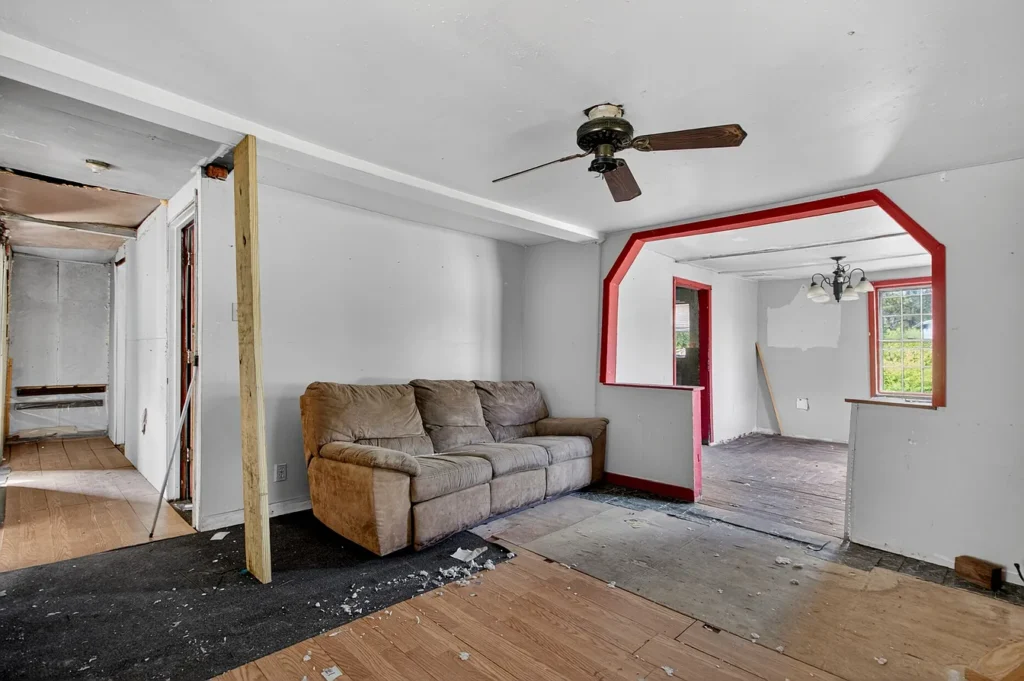
| Condition | Fixer-Upper (Sold As-Is) |
| Utilities | Public Water, Septic Tank |
| Construction | Crawl Space Foundation, Wood Siding, Asbestos Shingle Roof |
| Location | 15 mins to Moncks Corner, 45 mins to Charleston, SC |
The Power of “Owner Financing” (Seller Carryback)
The most educational aspect of this listing is the financing terms. When a listing states “Owner Will Carry” or “Seller Financing Available,” it means the current owner owns the property outright (no mortgage) and is willing to act as the lender for the buyer.
Instead of going to a traditional bank, undergoing rigorous credit checks, and paying massive loan origination fees, you negotiate the terms directly with the seller.
Why is this a massive advantage?
- Flexibility for Entrepreneurs: If you are self-employed, a freelancer, or a gig worker, traditional banks often make it incredibly difficult to get a mortgage. Seller financing looks at your ability to pay now, not just your W-2 tax returns from two years ago.
- Negotiable Terms: Everything is on the table. You and the seller agree on the down payment, the interest rate, and the length of the loan (amortization). For a $55,000 property, a seller might accept $10,000 down and monthly payments that are significantly lower than local rent.
- Speed of Closing: Without a bank’s underwriting department delaying the process, owner-financed deals can close in a matter of days.
For an investor, buying this $55K property on seller finance means keeping more cash in your pocket to fund the actual renovations.
Location Strategy: The Path of Progress
When investing in rural properties, you must understand the concept of the “Path of Progress.”
Saint Stephen is a quiet, rural community, which offers the privacy and serene surroundings that many post-pandemic buyers are desperately seeking. However, the listing notes it is only 45 minutes from Charleston, SC. Charleston is one of the fastest-growing and most expensive real estate markets in the Southeast United States.
As urban centers become unaffordable, development pushes outward into the suburbs, and eventually into rural towns. Buying property in the outer rings of a booming metropolis like Charleston is a classic, long-term appreciation play. You buy low today, and as the “path of progress” eventually reaches your doorstep, your property values skyrocket.
Navigating the Realities of Rural Fixer-Uppers
Buying a home in a rural setting involves different infrastructure than buying in the city. To be a successful investor, you must educate yourself on these specific systems.
1. Septic Systems vs. City Sewer
Unlike urban properties connected to municipal sewer lines, this home operates on a Septic Tank. A septic system treats wastewater entirely on-site. While this eliminates a monthly sewer bill, it requires responsibility. Before buying a property with a septic tank, you must hire a specialized inspector to ensure the tank is not failing and the drain field is functioning. A failed septic system can cost $5,000 to $15,000 to replace. However, a well-maintained system can last decades.
2. Crawl Space Foundations
The property sits on a “Crawl Space” rather than a concrete slab. In the humid climate of South Carolina, crawl spaces must be inspected carefully. The advantage of a crawl space is easy access to plumbing and electrical lines during your renovation. The risk, however, is moisture. Savvy investors will check for standing water, wood rot on the floor joists, or signs of termites. Installing a vapor barrier and a dehumidifier is a standard, high-ROI upgrade for homes like this.
The Elephant in the Room: Asbestos Shingles
Real estate investing requires looking at the raw facts without panicking. The listing clearly discloses that the roof features Asbestos Shingles.
For a novice buyer, the word “asbestos” is terrifying. For an educated investor, it is simply a line item on a spreadsheet. In 1970, asbestos was commonly used in building materials for its incredible fire resistance and durability. According to the EPA, asbestos-containing materials are generally safe as long as they are intact and undisturbed.
If the roof is not leaking, you may not need to do anything immediately. However, when it comes time to replace the roof, you cannot simply tear it off yourself. It requires professional remediation and specialized disposal, which will cost significantly more than a standard roof tear-off. You must factor this future Capital Expenditure (CapEx) into your initial purchase offer. The property is being sold “As Is,” meaning the seller has already priced the home at $55K with the roof’s condition in mind.
The Investment Strategy: What’s the Play?
With a solid footprint of 1,016 square feet and a generous 1/3-acre lot, what is the best exit strategy for 727 Campbellridge Ln?
- The Live-In Flip: Use the seller financing to secure the home with a low down payment. Move in, and slowly renovate the property room by room (the DIY approach). Over two years, you build massive “sweat equity” and eventually refinance or sell it for a profit, tax-free under capital gains exemptions for primary residences.
- The Rural Rental: There is a severe shortage of affordable rental housing in rural America. Once the cosmetic renovations are complete, this 3-bedroom home could provide excellent, stable cash flow from long-term tenants who commute toward Moncks Corner or Charleston.
Final Thoughts
The property at 727 Campbellridge Ln is a perfect example of why real estate remains the ultimate vehicle for wealth creation. It isn’t a glossy, turn-key mansion. It is a raw, blank canvas that requires vision, due diligence, and hard work. But by leveraging the seller financing, understanding rural utilities, and budgeting for long-term repairs, a savvy buyer can turn this $55,000 diamond in the rough into a highly profitable asset.
Listed on Zillow