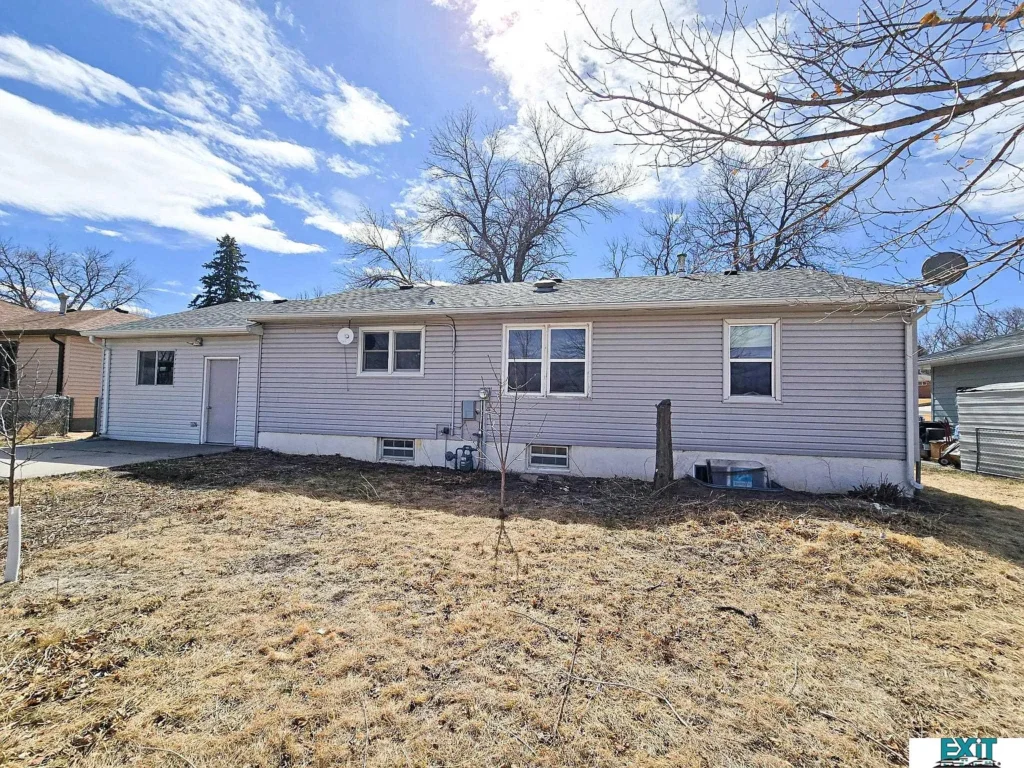
In the landscape of real estate investing, three small words can either trigger a panic attack in a retail homebuyer or ignite immense excitement in a seasoned investor: “SOLD AS IS.” When a property is listed “As-Is,” it means the seller is explicitly stating they will not make any repairs, offer any credits for defects, or update the home prior to closing. What you see is exactly what you get. For the average family looking for a turnkey home, this is a massive red flag. However, for a strategic investor utilizing the BRRRR Method (Buy, Rehab, Rent, Refinance, Repeat), an “As-Is” listing is a flashing neon sign indicating a highly motivated seller and a prime opportunity to force massive equity.
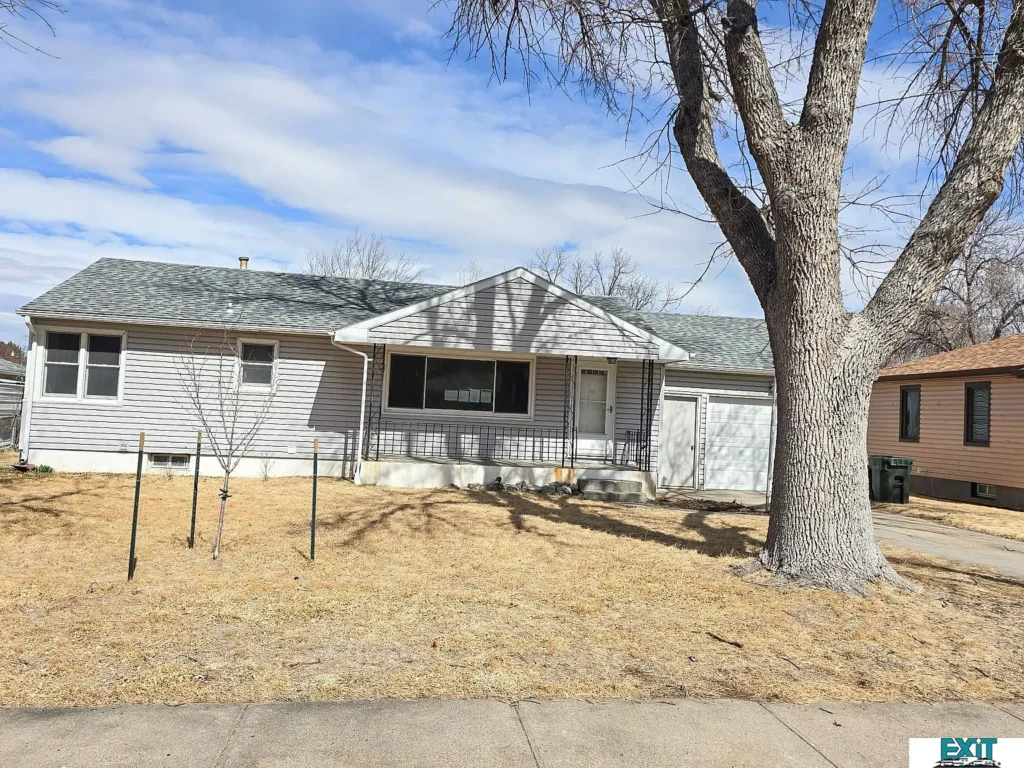
Today, we are conducting a deep-dive case study on a classic “As-Is” opportunity: a 3-bedroom, 1-bathroom home located at 1362 Mission Dr, Sidney, NE 69162, currently listed at $128,000. We will break down exactly how an investor can look past the cluttered, dated interior and apply the BRRRR framework to build generational wealth.
Property Highlights at a Glance
| Feature | Detail |
| Address | 1362 Mission Dr, Sidney, NE 69162 |
| Listing Price | $128,000 ($122/sqft) |
| Bedrooms / Bathrooms | 3 Bedrooms / 1 Bathroom |
| Square Footage | 1,050 sq. ft. Main + 315 sq. ft. Basement |
| Lot Size | 6,098.4 Square Feet |
| Year Built | 1954 (Requires comprehensive modernization) |
| Condition Status | “SOLD AS IS” |
| Rent Zestimate® | $1,173 / month |
| Taxes | $2,141 / year |
Step 1: BUY – Analyzing the Acquisition
The foundation of the BRRRR method is that you make your money when you buy, not just when you sell. You must acquire the asset at a deep enough discount to cover your renovation costs and still leave a healthy margin of equity.
Let’s look at the pricing dynamics of 1362 Mission Dr. The property was listed in late March 2026 for $133,000. Just a month later, the price was dropped by 3.8% to $128,000. Furthermore, historical data shows this home was listed for $163,000 in 2022 before being removed from the market.
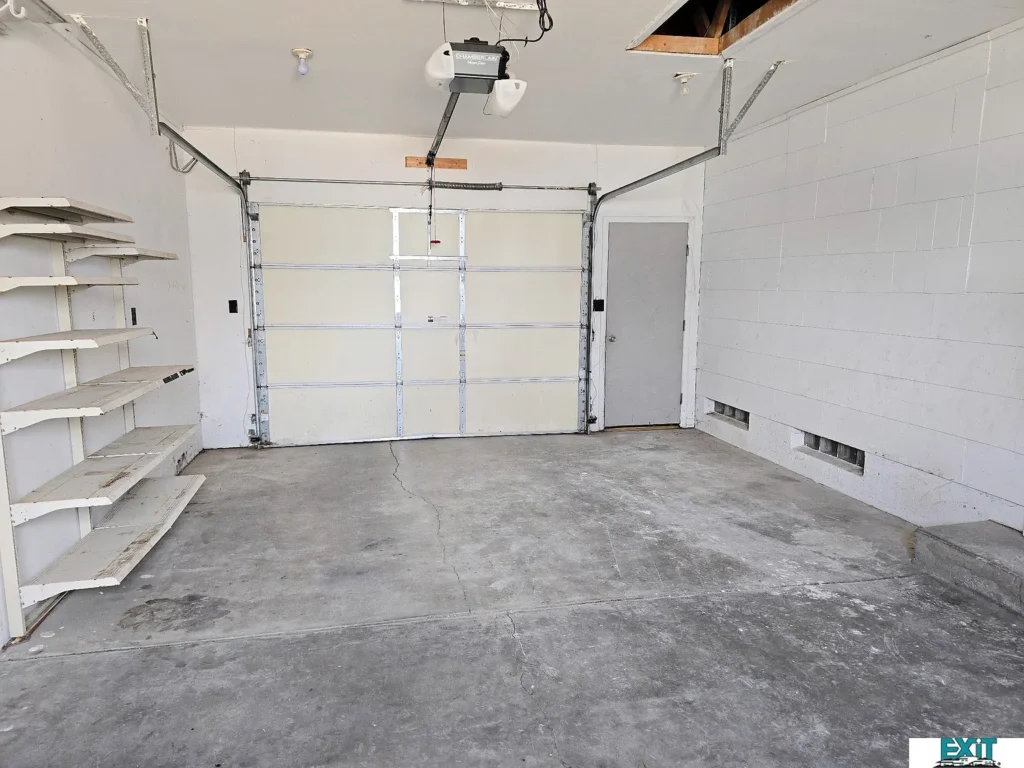
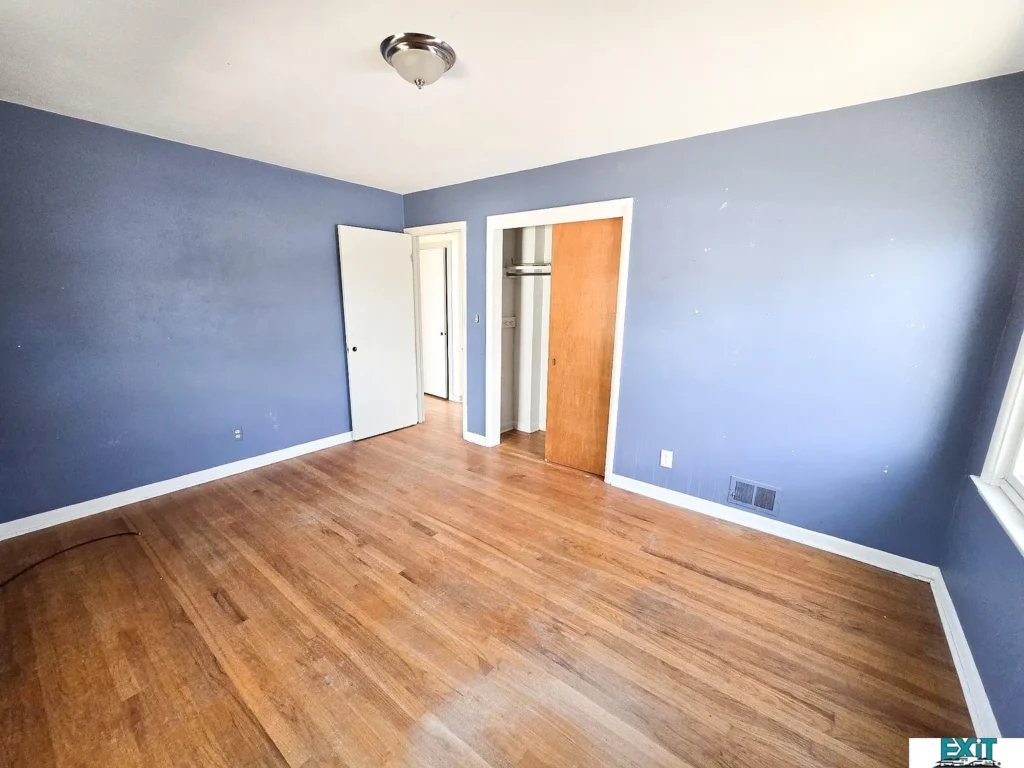
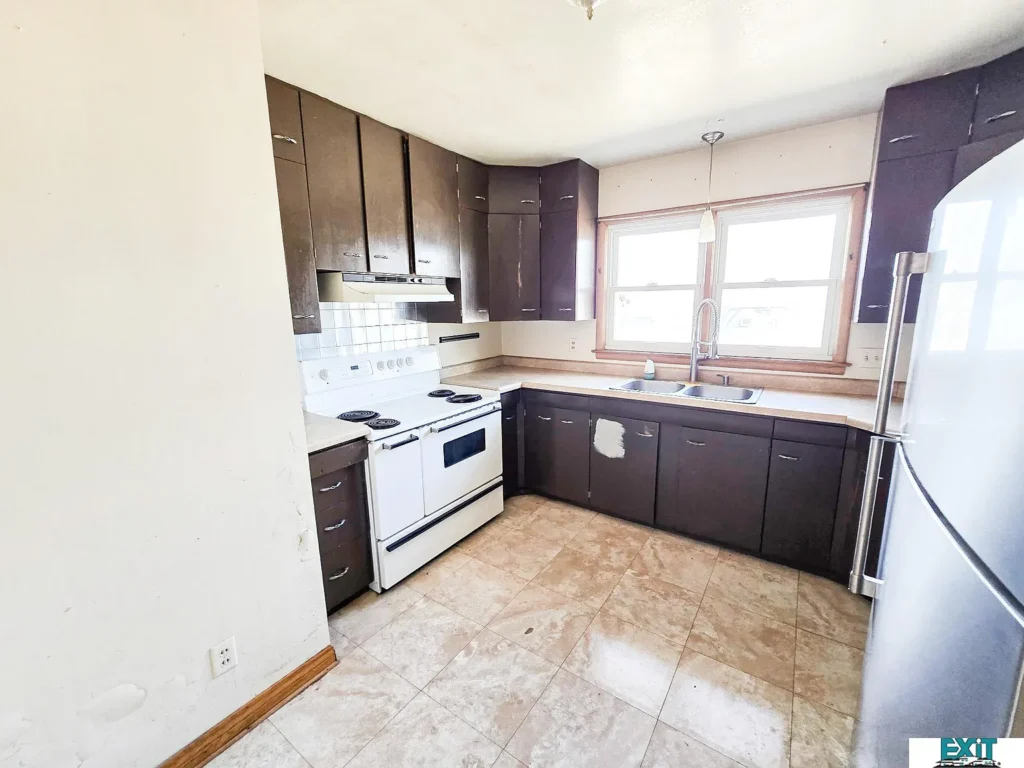
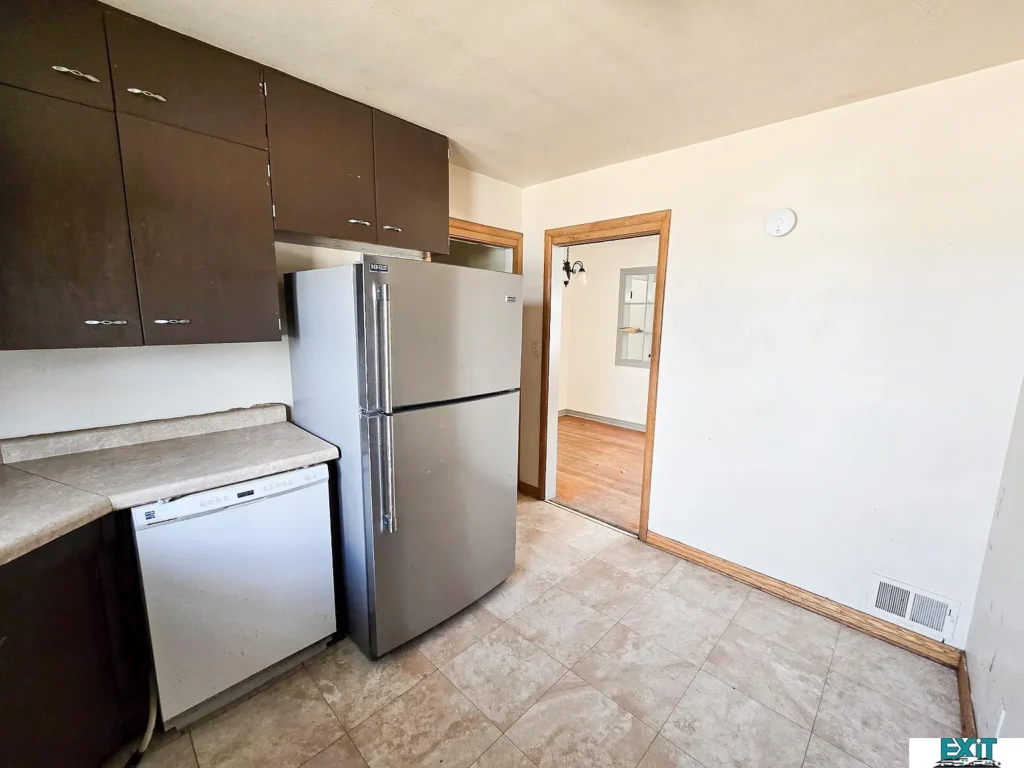
This data paints a clear picture: you have a seller who has tried to sell at a premium in the past, failed, and is now returning to the market with a lower price and a strict “As-Is” stipulation. Because the interior is cluttered and highly dated (wood paneling, aging carpets, older kitchen fixtures), retail buyers using strict government loans (like FHA or VA) may struggle to get appraisals approved without the seller agreeing to repairs. This eliminates retail competition, giving a cash buyer or hard-money investor immense leverage to negotiate the purchase price even closer to the $100,000 mark.
Step 2: REHAB – Forcing the Appreciation
Once you have secured the asset, the “Rehab” phase begins. In an “As-Is” property built in 1954, your renovation budget must be meticulously planned, balancing cosmetic appeal with mechanical reliability.
Looking at the listing photos and details, here is the strategic rehab blueprint:
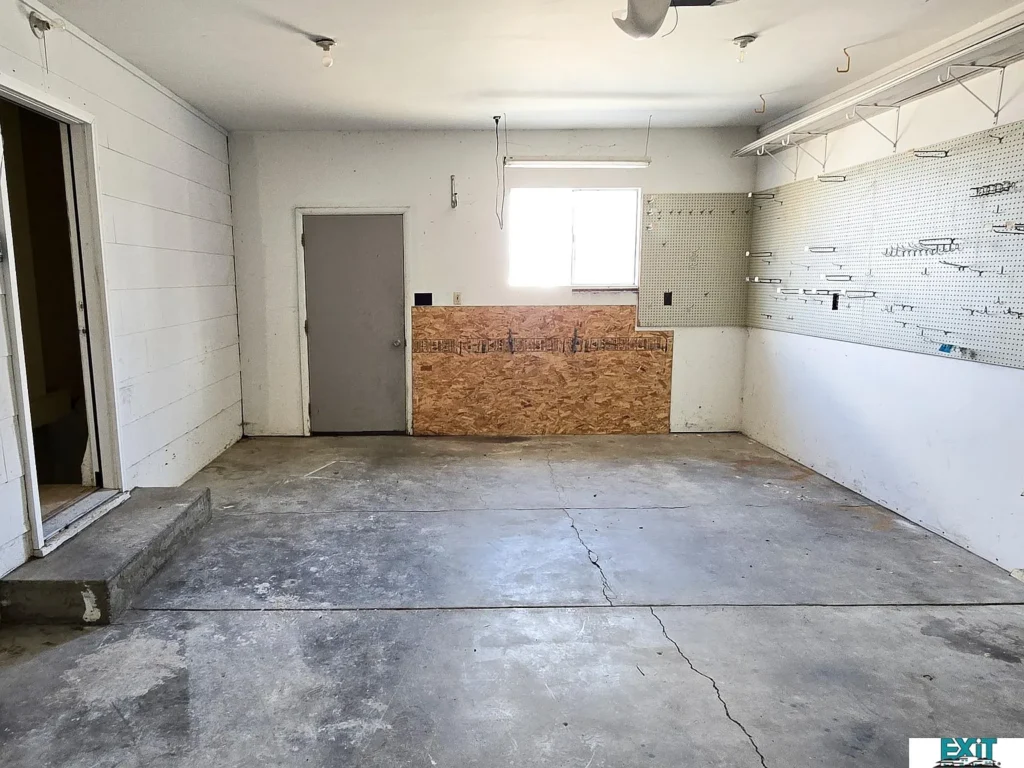
- The Demolition and Declutter: The first step is completely emptying the property. A house filled to the brim with decades of personal belongings feels claustrophobic. Simply renting a commercial dumpster and clearing the space will immediately make the 1,050 square feet feel 30% larger.
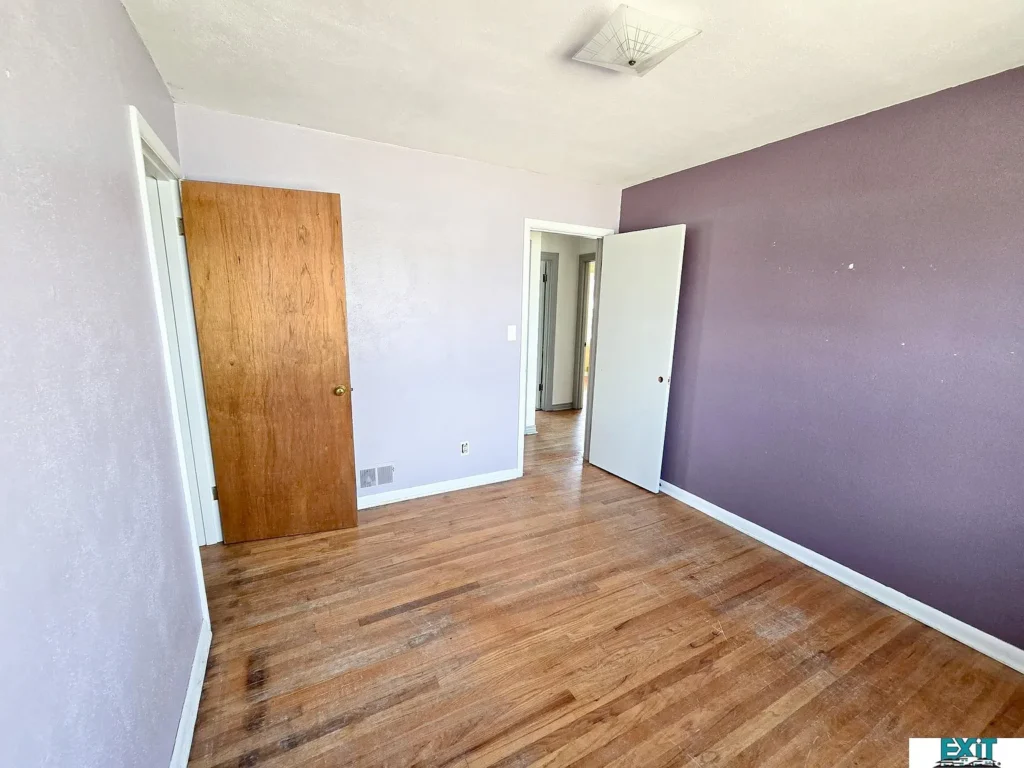
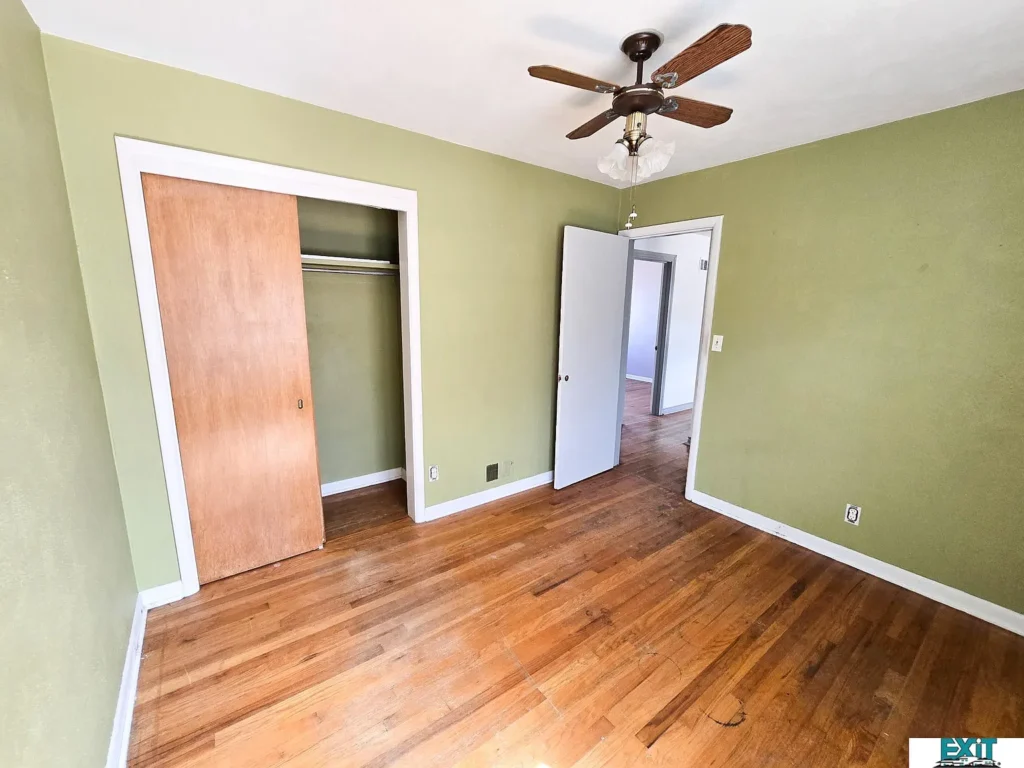
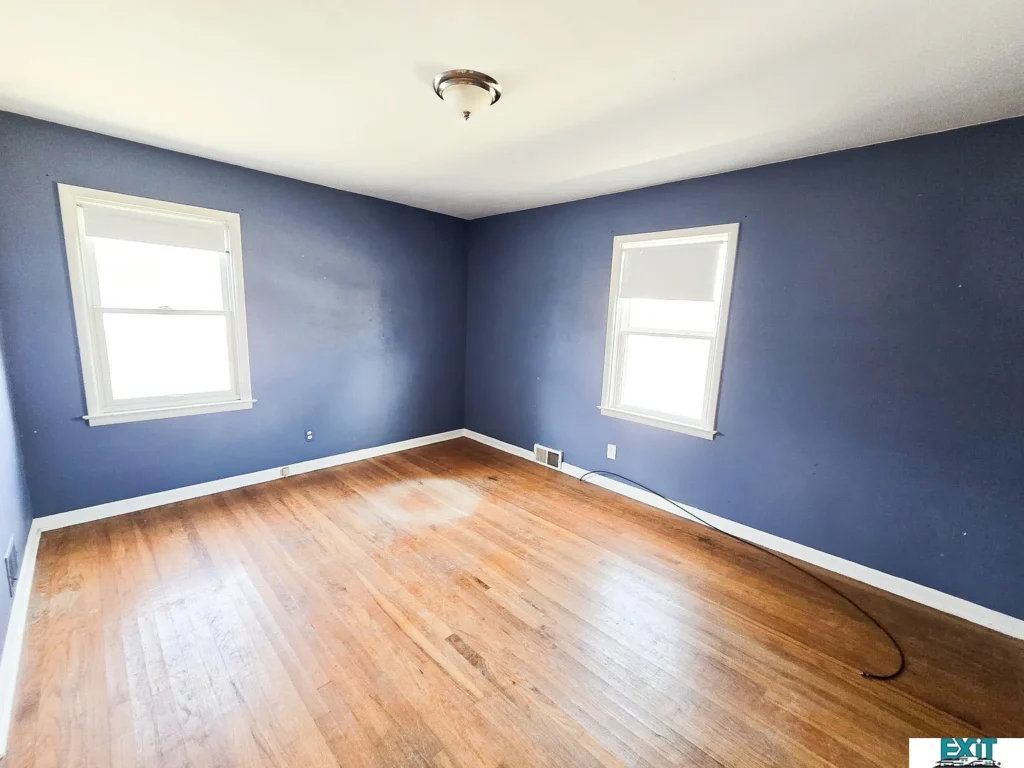
- Cosmetic Modernization: The interior currently suffers from severe aesthetic dating. The strategic move is to remove all existing carpets, which harbor decades of dust and odors. Install uniform, waterproof Luxury Vinyl Plank (LVP) flooring throughout the entire main level. Strip the dated wood paneling, or heavily prime and paint it a crisp, modern white.
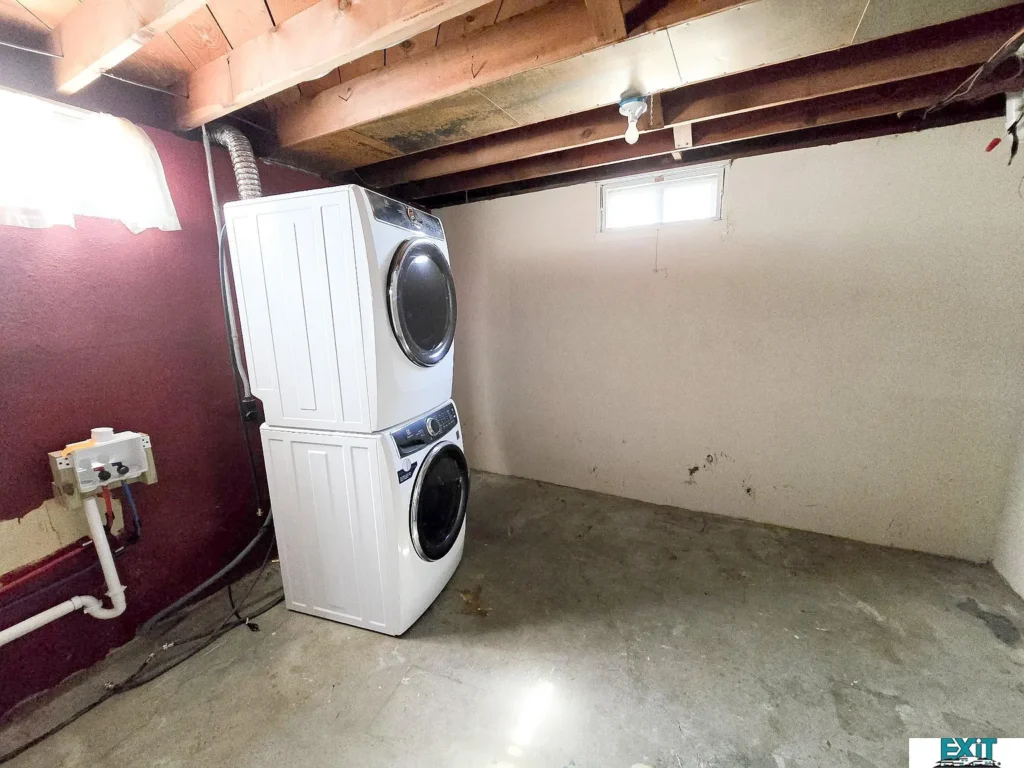
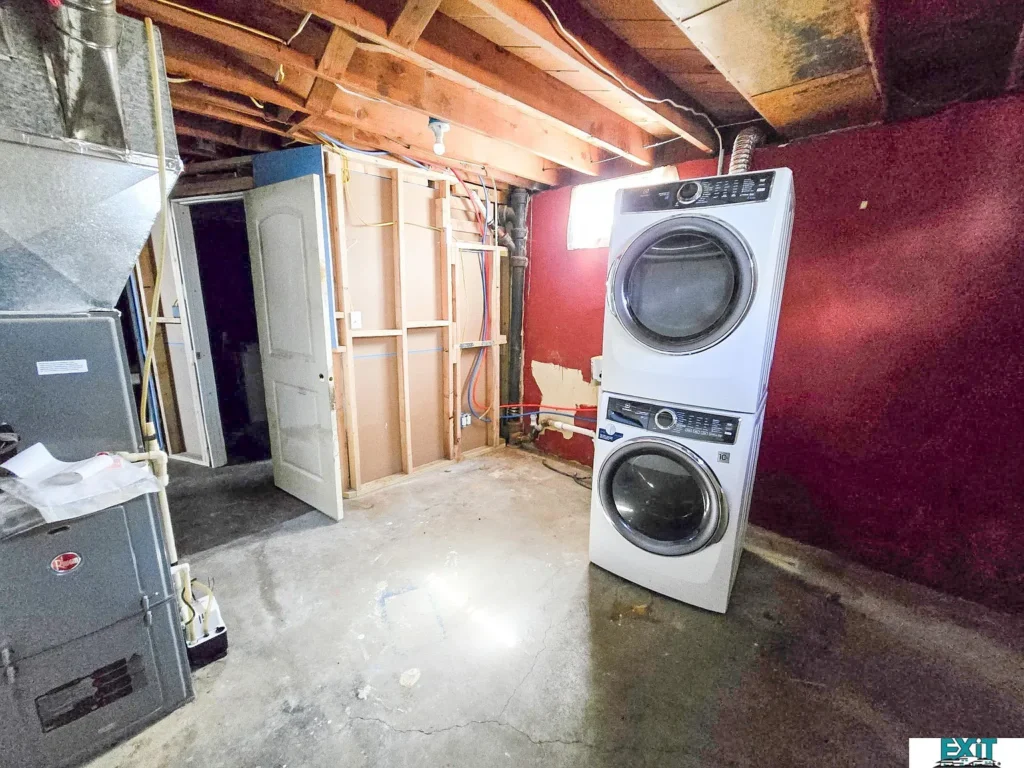
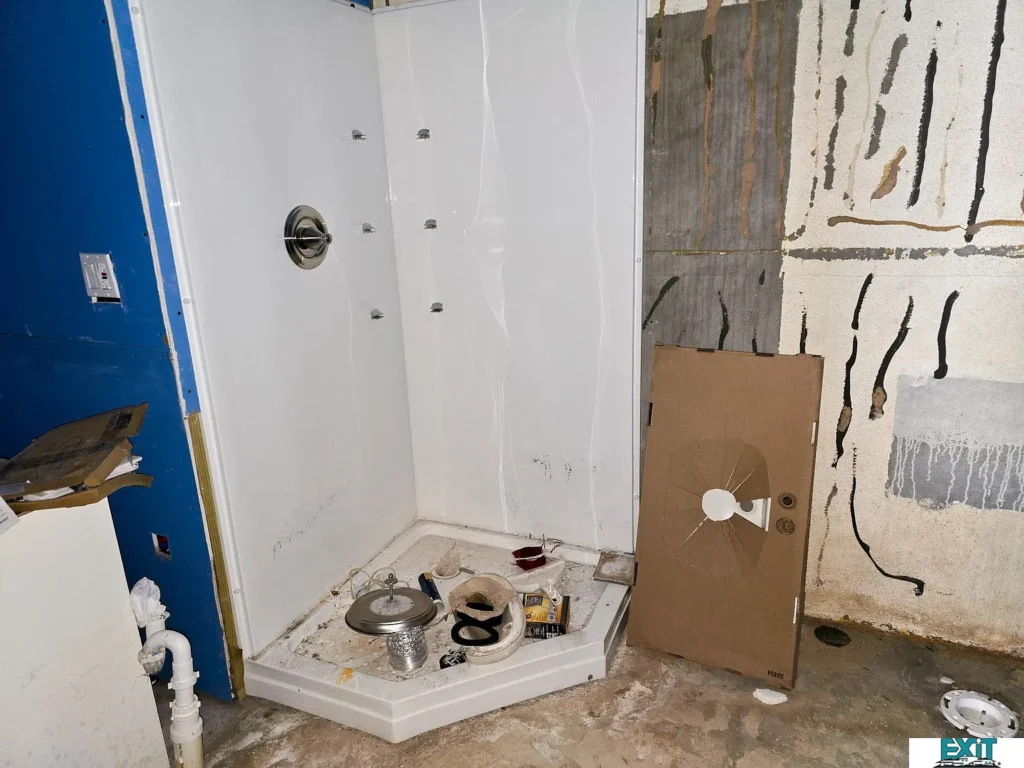
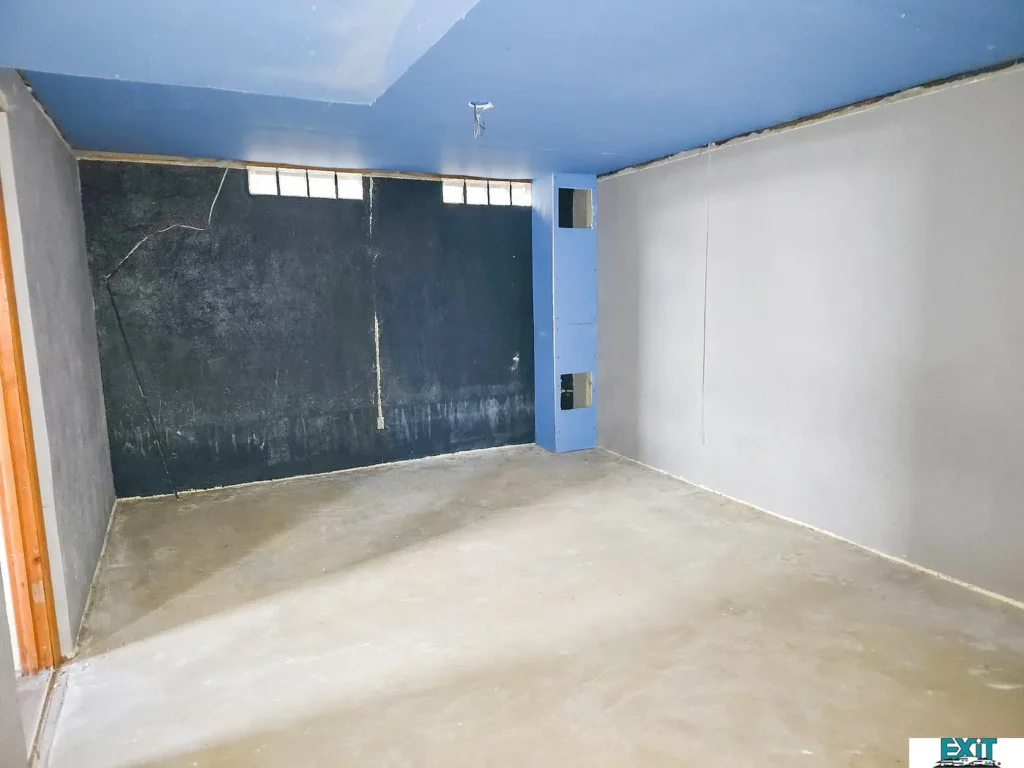
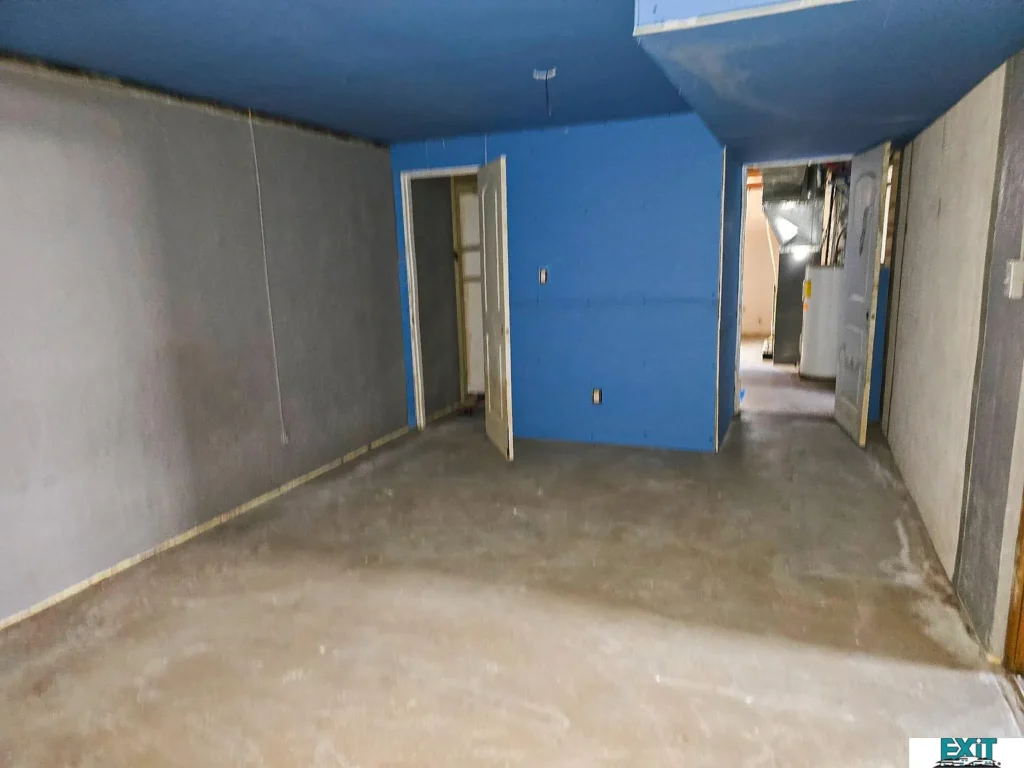
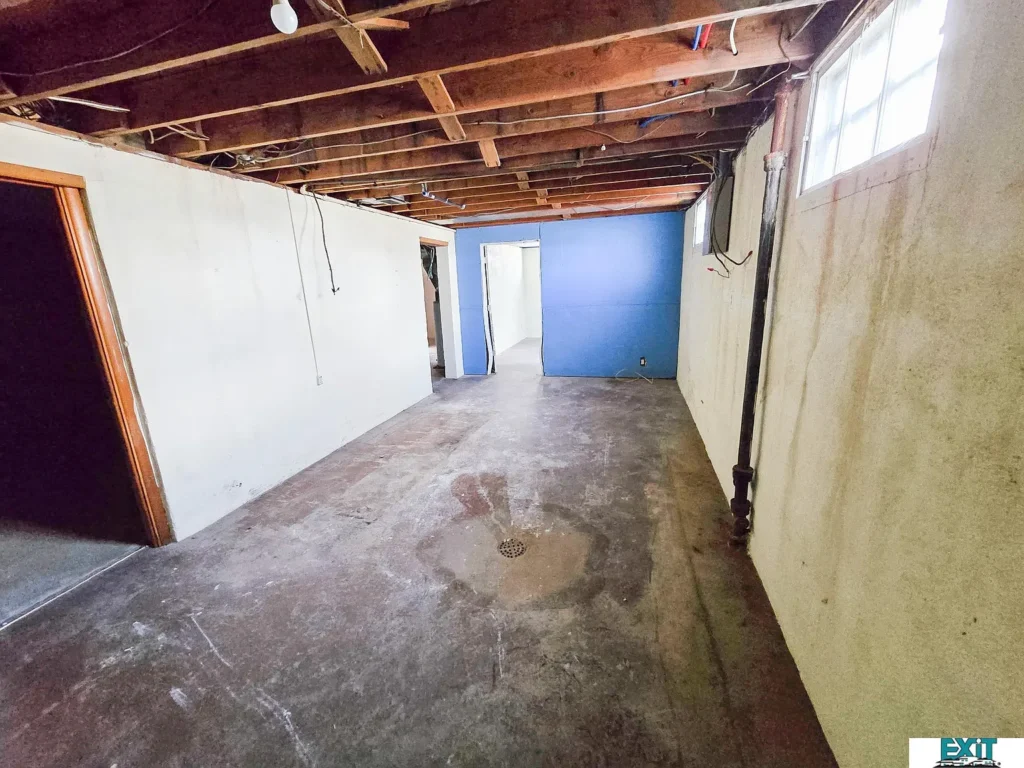
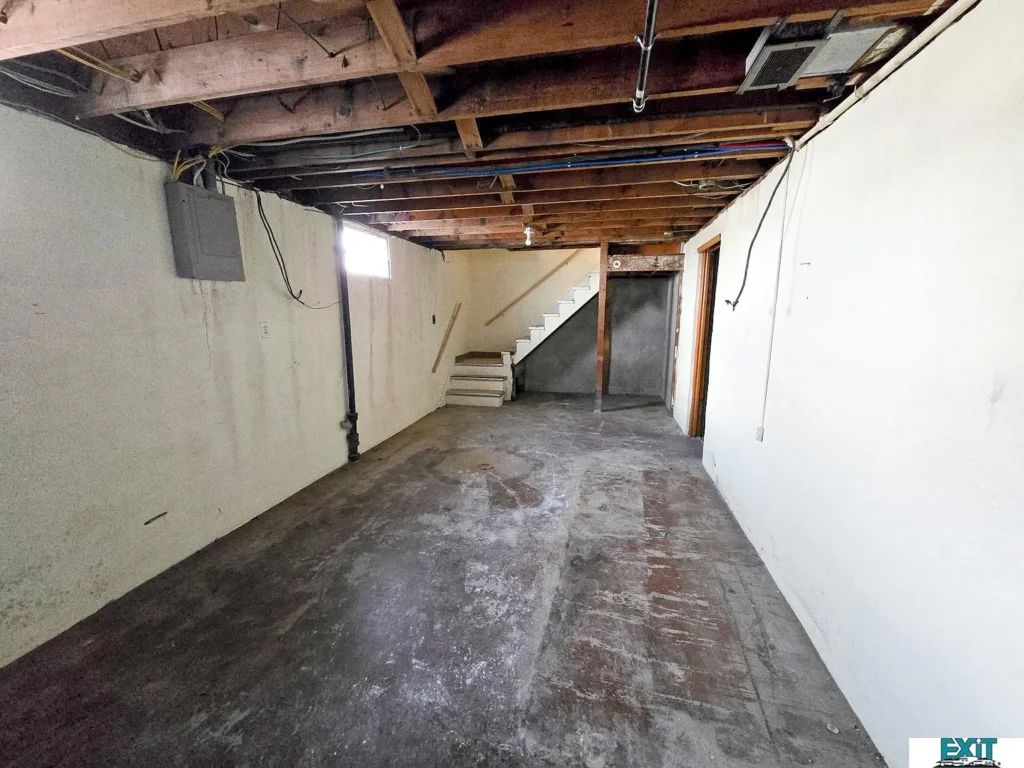
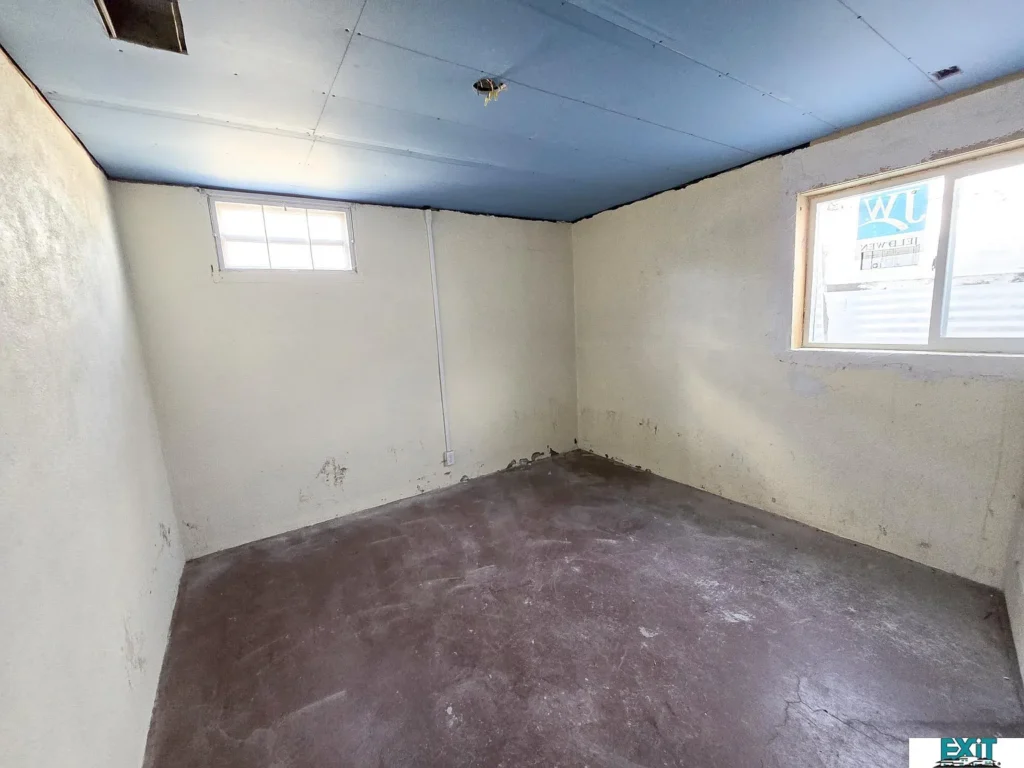
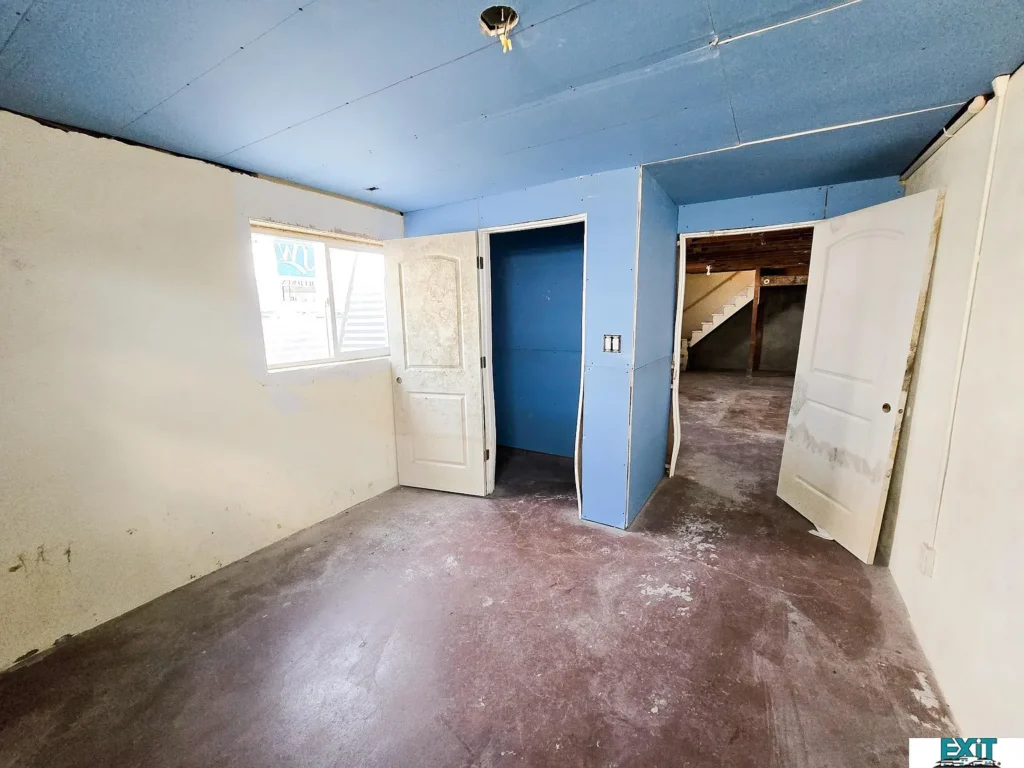
- The Basement Anomaly: Here is where real value is created. The listing notes a “Partially Finished” basement offering 315 square feet of valuable additional living space. By properly finishing this space—adding egress windows if necessary, proper drywall, and lighting—you are significantly increasing the total livable footprint of the home, which drastically spikes the After Repair Value (ARV).
- Mechanical Due Diligence: Because it is an “As-Is” sale, the buyer assumes all mechanical risks. During the inspection contingency period (which you must always include, even on As-Is sales), an investor must thoroughly evaluate the 1954 plumbing (checking for galvanized pipes), the electrical panel (ensuring it is not an outdated fuse box), and the HVAC system. Budgeting $10,000 to $15,000 for hidden mechanical updates is essential to risk mitigation.
Step 3: RENT – Securing the Cash Flow
Once the property has been fully modernized, it transforms from an undesirable listing into a premium rental product. Sidney, Nebraska, relies on a steady workforce that requires quality, updated housing.
According to the listing data, the estimated Rent Zestimate® is $1,173 per month.
Because you have updated the flooring, kitchen, and bathroom to modern standards, you can easily command the top-tier of the local rental market, potentially pushing that number closer to $1,250 or $1,300 a month. With annual property taxes sitting at a manageable $2,141 (roughly $178 a month), the Net Operating Income (NOI) on this property will be exceptionally strong, providing consistent, reliable cash flow.
Step 4: REFINANCE – The Wealth Accelerator
This is the magic of the BRRRR method. Let’s assume you negotiated the purchase price down to $115,000 and invested $35,000 into a comprehensive rehab. Your total capital invested is $150,000.
Because the home is now fully modernized, features an updated basement space, and generates strong rental income, a bank appraises the new After Repair Value (ARV) at $200,000.
You then approach a commercial lender or local bank to execute a Cash-Out Refinance. The bank will typically loan you 75% to 80% of the newly appraised value.
- 80% of $200,000 = $160,000.
The bank cuts you a check for $160,000. You use that money to pay off your initial $150,000 investment. You now have your original capital back in your pocket (plus an extra $10,000), you own a cash-flowing rental property that covers its new mortgage, and you retain $40,000 of trapped equity in the home.
Step 5: REPEAT – Scaling the Portfolio
The final step is the most powerful. Because the cash-out refinance replenished your original capital, your bank account looks exactly the way it did before you bought 1362 Mission Dr.
You take that same pool of capital and find the next “SOLD AS IS” listing, repeating the exact same process. By recycling the same capital over and over again, an investor can acquire a massive portfolio of real estate without having to save up a new 20% down payment for every single purchase.
The Final Verdict on 1362 Mission Dr
The words “SOLD AS IS” should not evoke fear; they should evoke a strategic calculation. The property at 1362 Mission Dr is not for the faint of heart, but it is a textbook canvas for the BRRRR method. By understanding how to accurately estimate rehab costs, utilizing the partially finished basement to force appreciation, and securing a long-term tenant, a savvy investor can transform this cluttered 1954 ranch into a cornerstone of a lucrative, cash-flowing real estate portfolio.
Listed on Zillow